
🎧 Yul's Korea Audio Guide
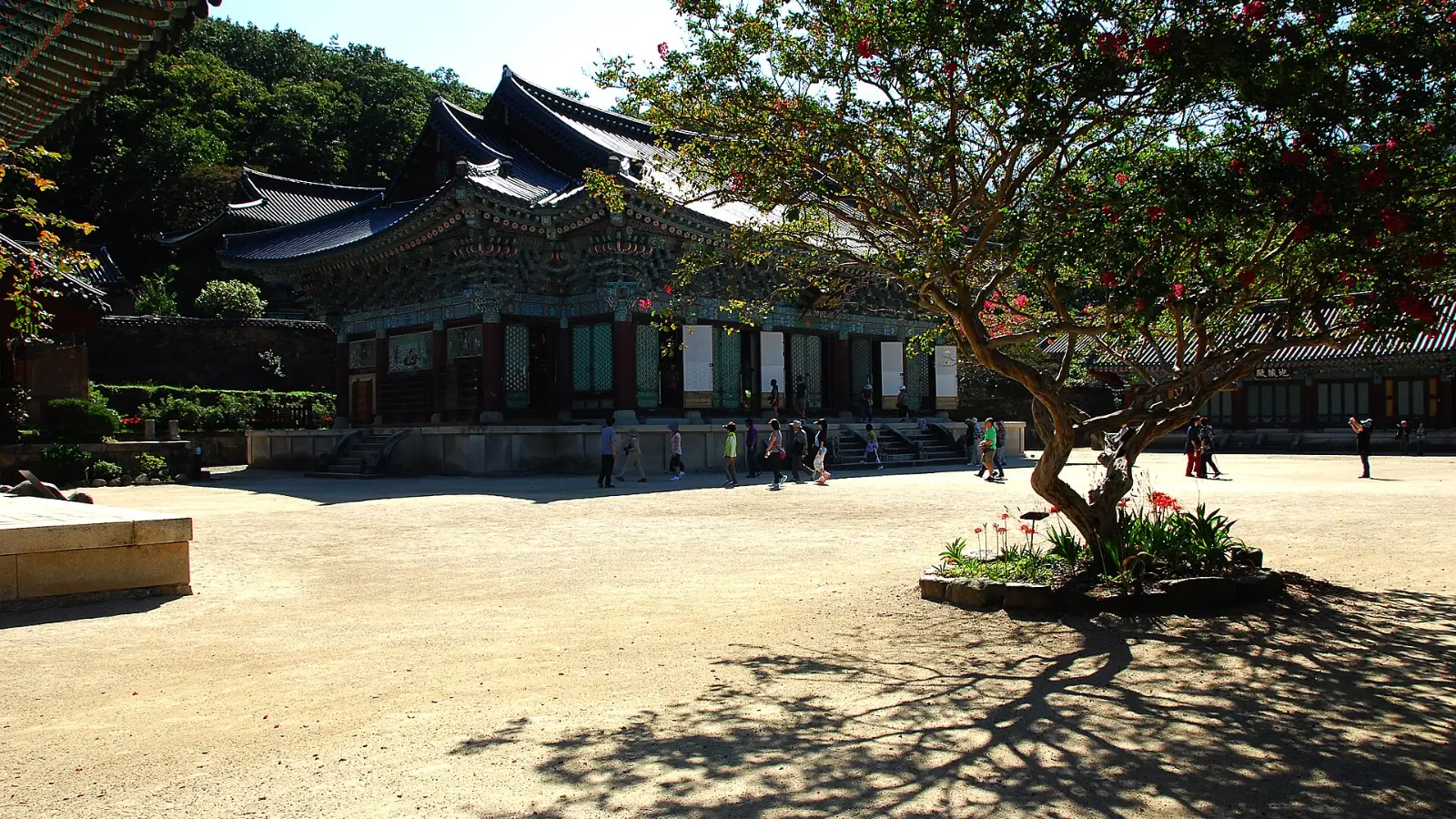
Songgwangsa Temple

Narrated in English with Korean phrases by YUL of KVIBE IDOLS.
🎵 Background music: Letter on the Wind (바람의 편지) — KVIBE IDOLS · Listen to the full song →
Full transcript
Annyeong, yeoreobun! It's Yul. Korean Buddhism has three jewels: the Buddha, the teaching, and the monks. We just saw the Buddha jewel. Today, the monk jewel: Songgwangsa, on Jogyesan mountain in Suncheon!
In the Silla period, a small temple called Gilsangsa stood here, and the mountain was called Songgwangsan. Enter the monk Jinul. In 1190, he started a community for meditation and wisdom, but it got too crowded. So in 1200, he moved it to this quiet mountain and rebuilt the temple over about nine years.
When it was finished in 1205, King Huijong of Goryeo renamed it Suseonsa, and the mountain became Jogyesan. Jinul's teachings shaped Korean Seon, or Zen, for centuries.
Here's the twist. Tradition counts sixteen National Preceptors from this one temple, the highest honor a monk could receive. Sixteen! That's why it's called the Sangha Jewel, the jewel of the monastic community. And later, the temple took back the mountain's old name: Songgwangsa.
The temple suffered in the Japanese invasion of the 1590s and again in the Korean War, and was restored in the twentieth century. Don't miss the Bisari Gusi, a huge wooden rice container said to hold rice for four thousand monks!
Yul's tip! From Suncheon Station, city bus 111 takes about an hour and a half. It's a working monastery: speak softly, dress modestly, and never step on door thresholds. Strong hikers can cross Jogyesan to Seonamsa on the other side.
Next, a temple named after a floating rock and a dragon's love. Kaja!
More temples & churches
🚇 Getting there: From Suncheon Station or Suncheon Bus Terminal, take city bus 111 to its last stop at Songgwangsa (about 1 hour 30 minutes; roughly hourly).
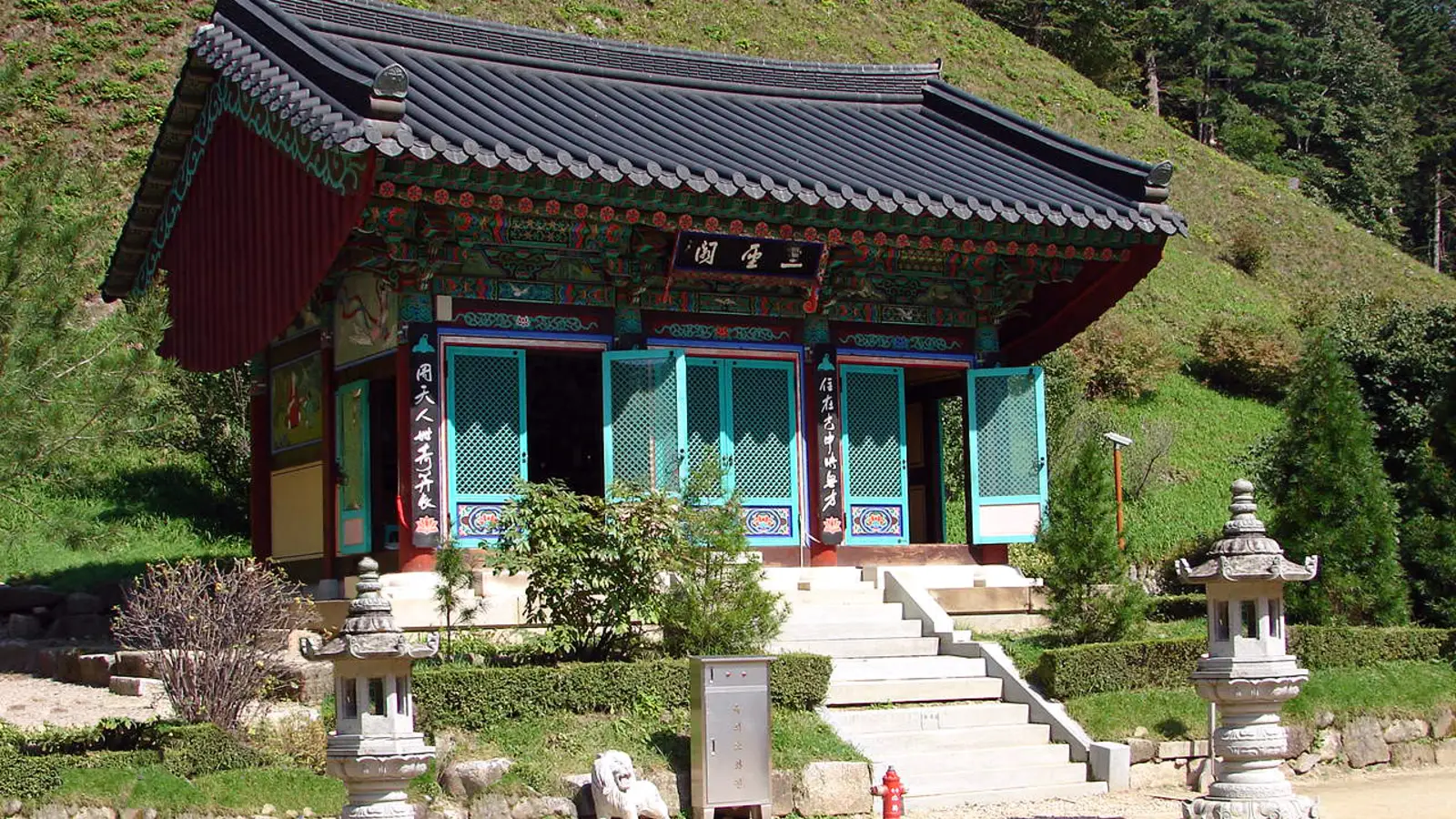
Photo: Leeyoungbum, CC BY-SA 4.0, via Wikimedia Commons