
Discover Korea with Yul
Narrated in English with Korean phrases by YUL of KVIBE IDOLS.
Seoul
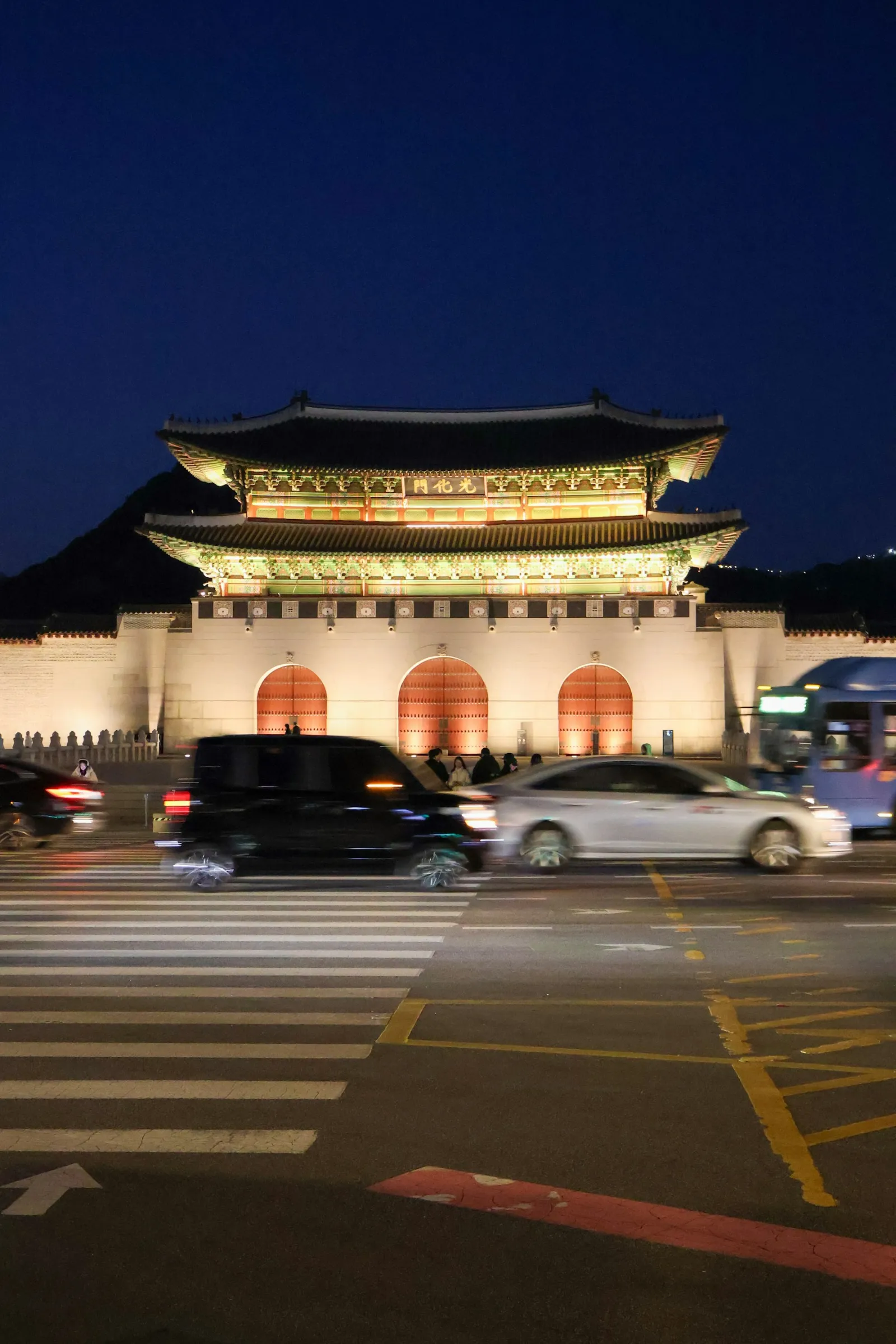
Built in 1395 under King Taejo as the first palace of the Joseon dynasty. Burned during the 1592 Japanese invasions and rebuilt in 1867 by Heungseon Daewongun; Gwanghwamun is its main south gate.
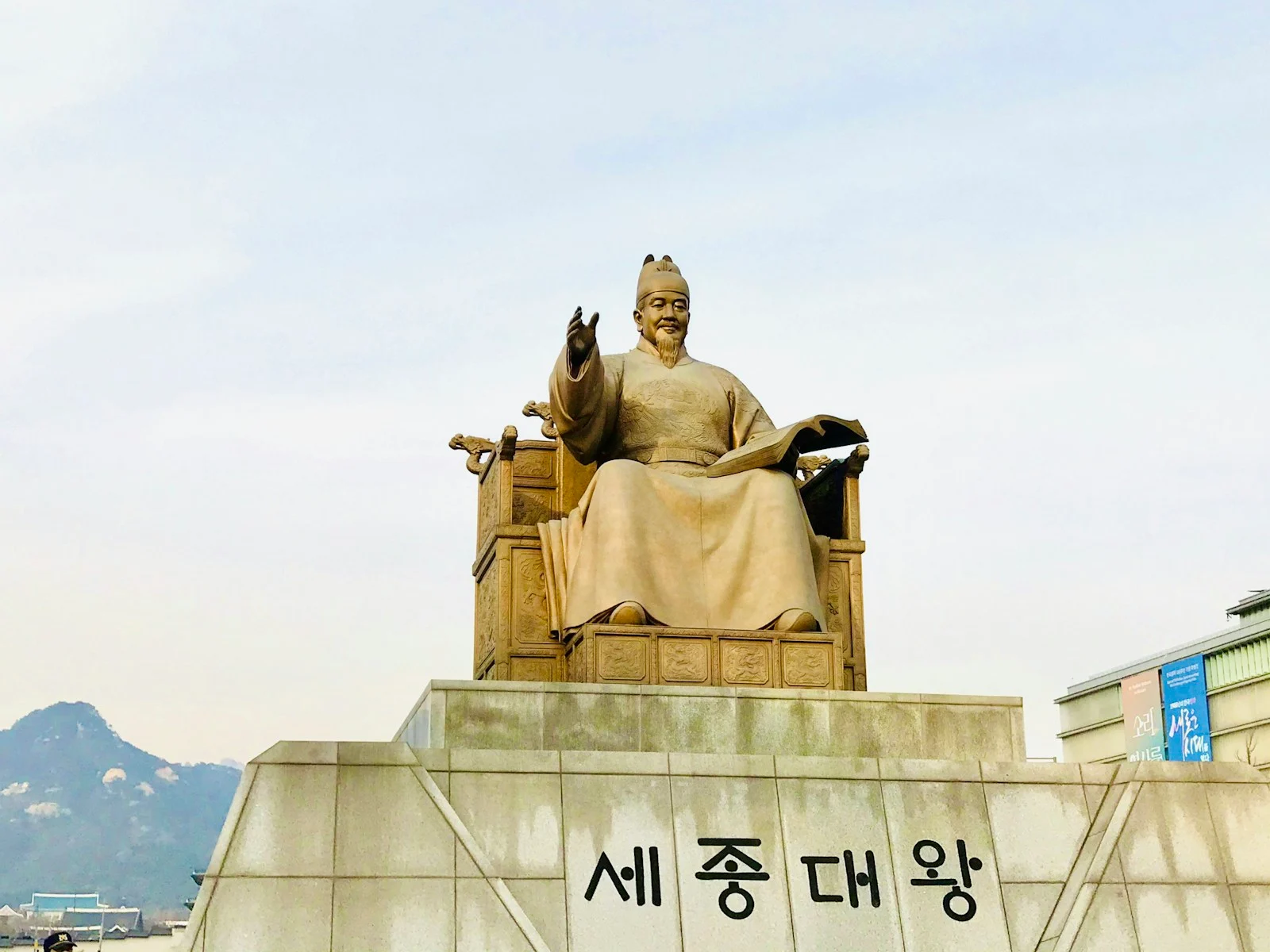
Meet the king who created Hangeul in 1446 and the admiral who won with 13 ships in 1597.
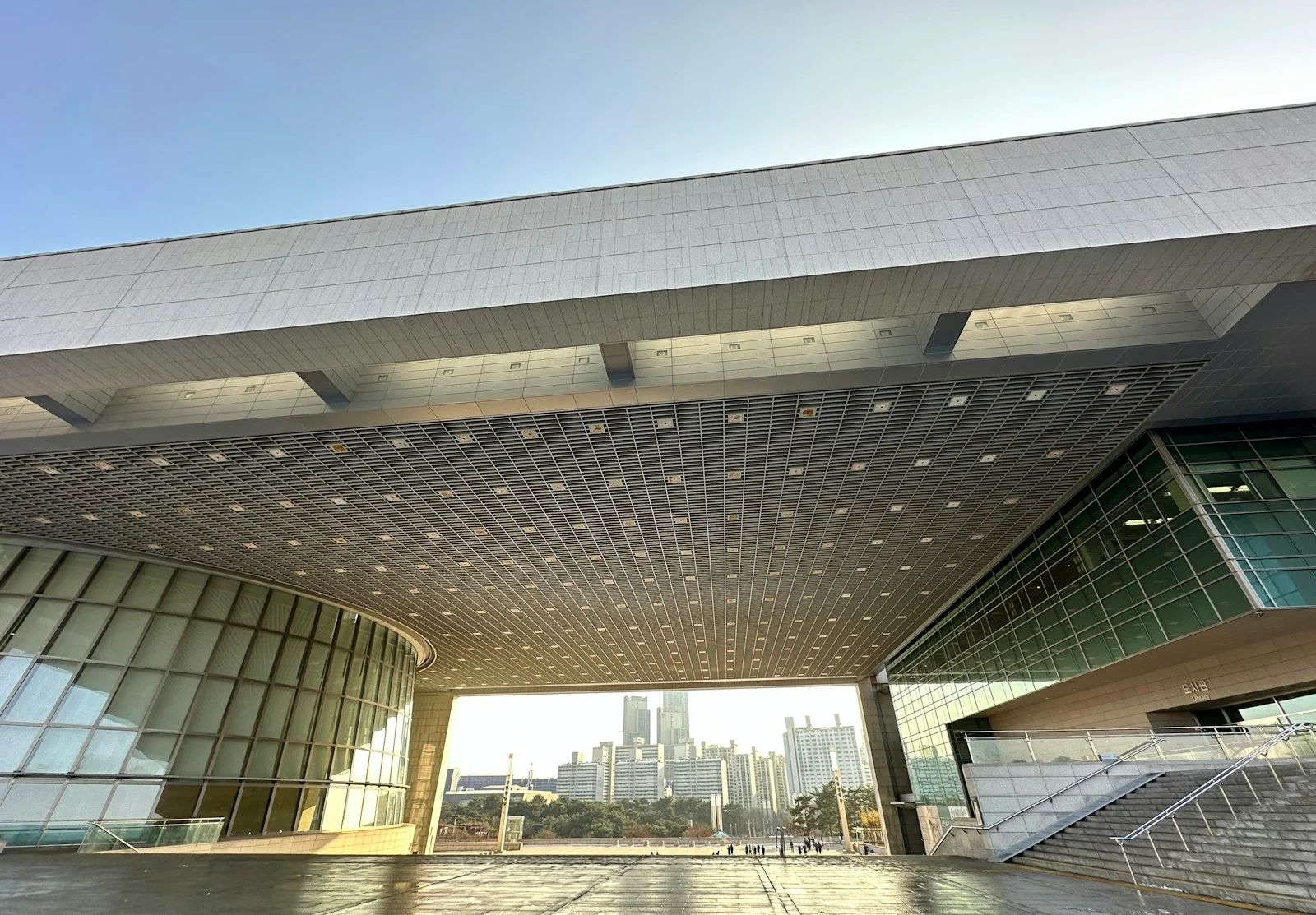
Home to the 1,400-year-old pensive bodhisattvas and Silla gold crowns. Permanent exhibitions are free.
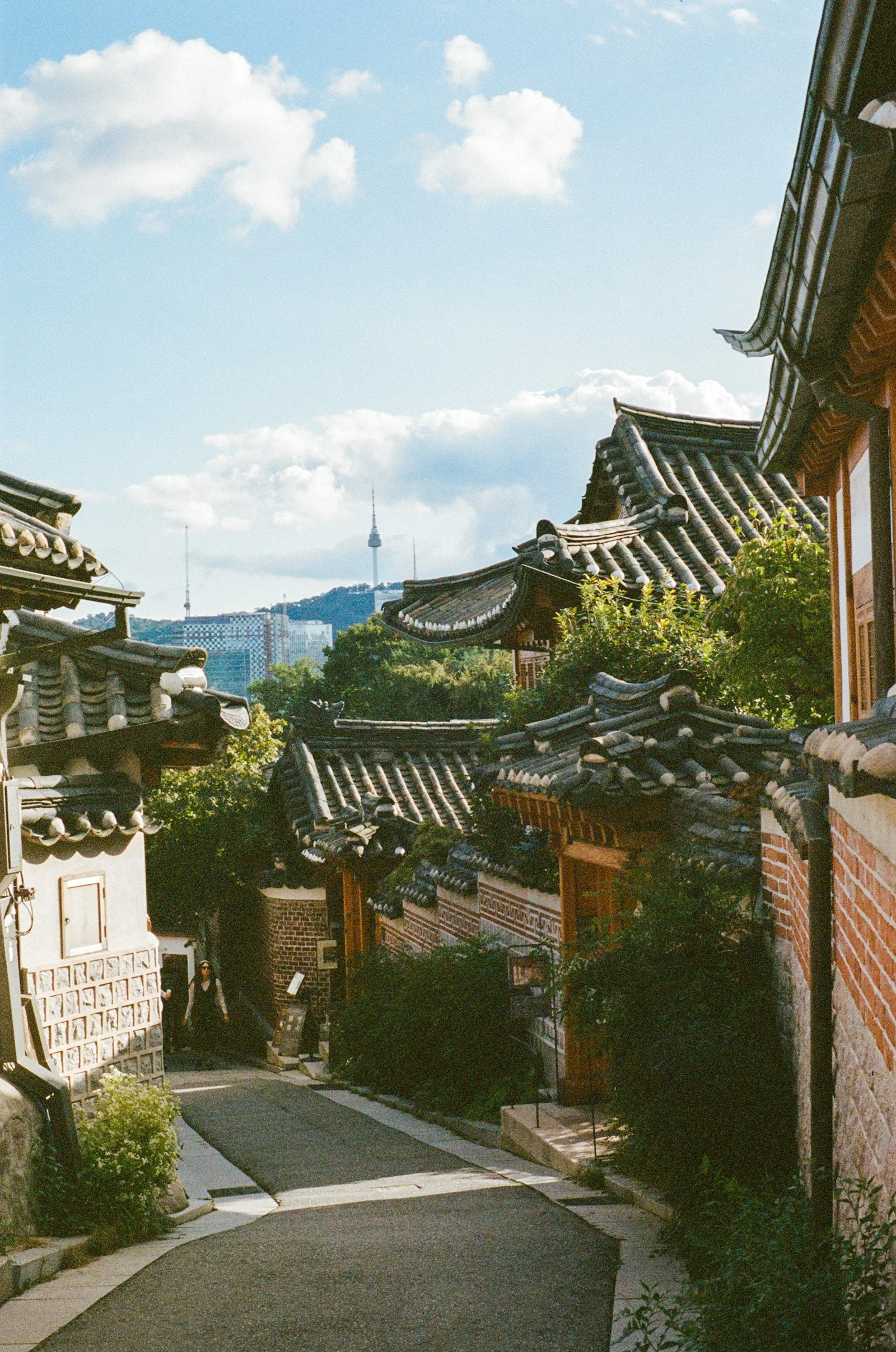
Nestled between Gyeongbokgung and Changdeokgung, this was where Joseon-era aristocrats (yangban) lived. Many of the hanok you see today are urban hanok built in the 1920s–30s.
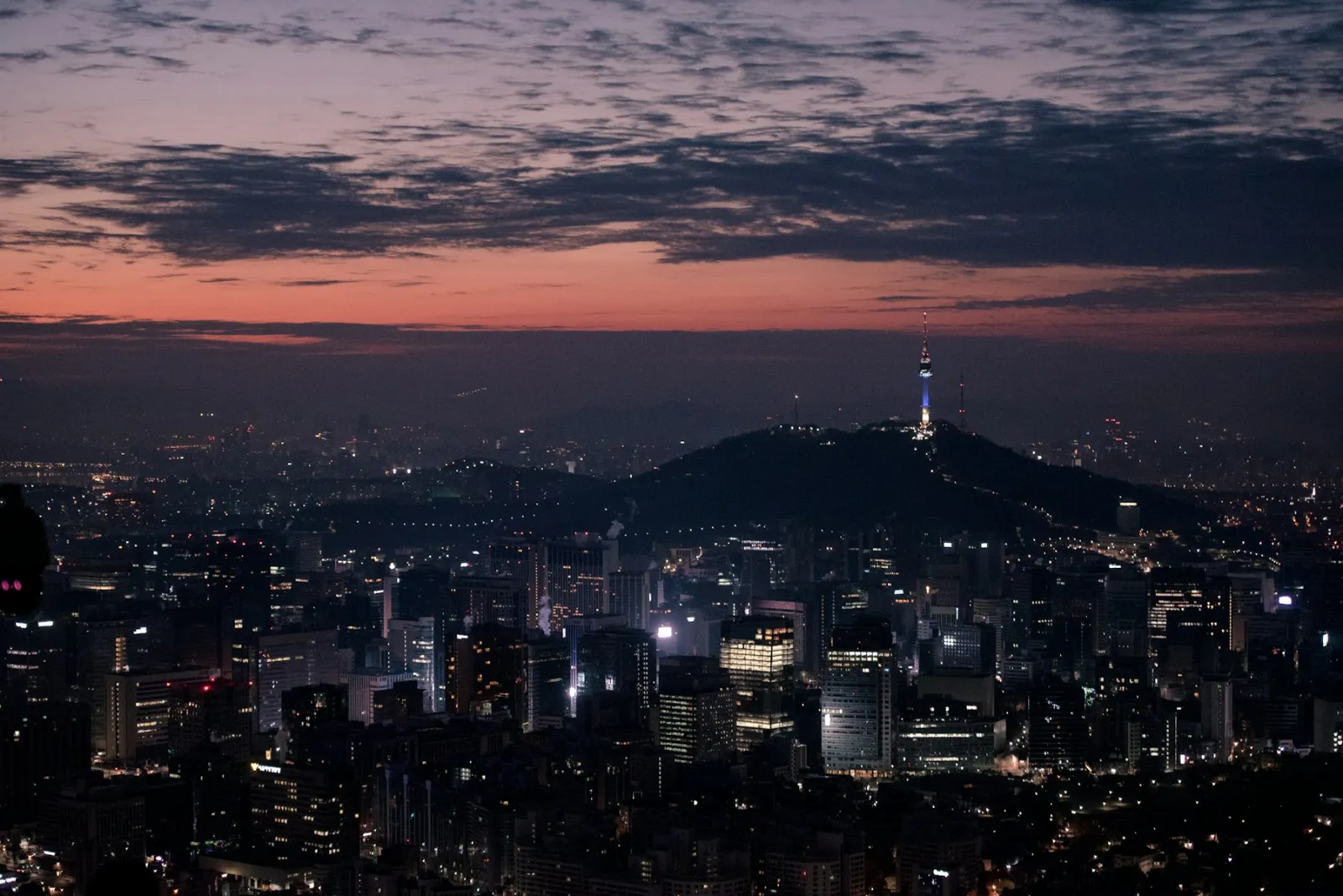
Construction began in 1969 as a broadcast tower, and it opened to the public in 1980. From about 480 m above sea level you can see all of Seoul — and it is famous for its love locks.
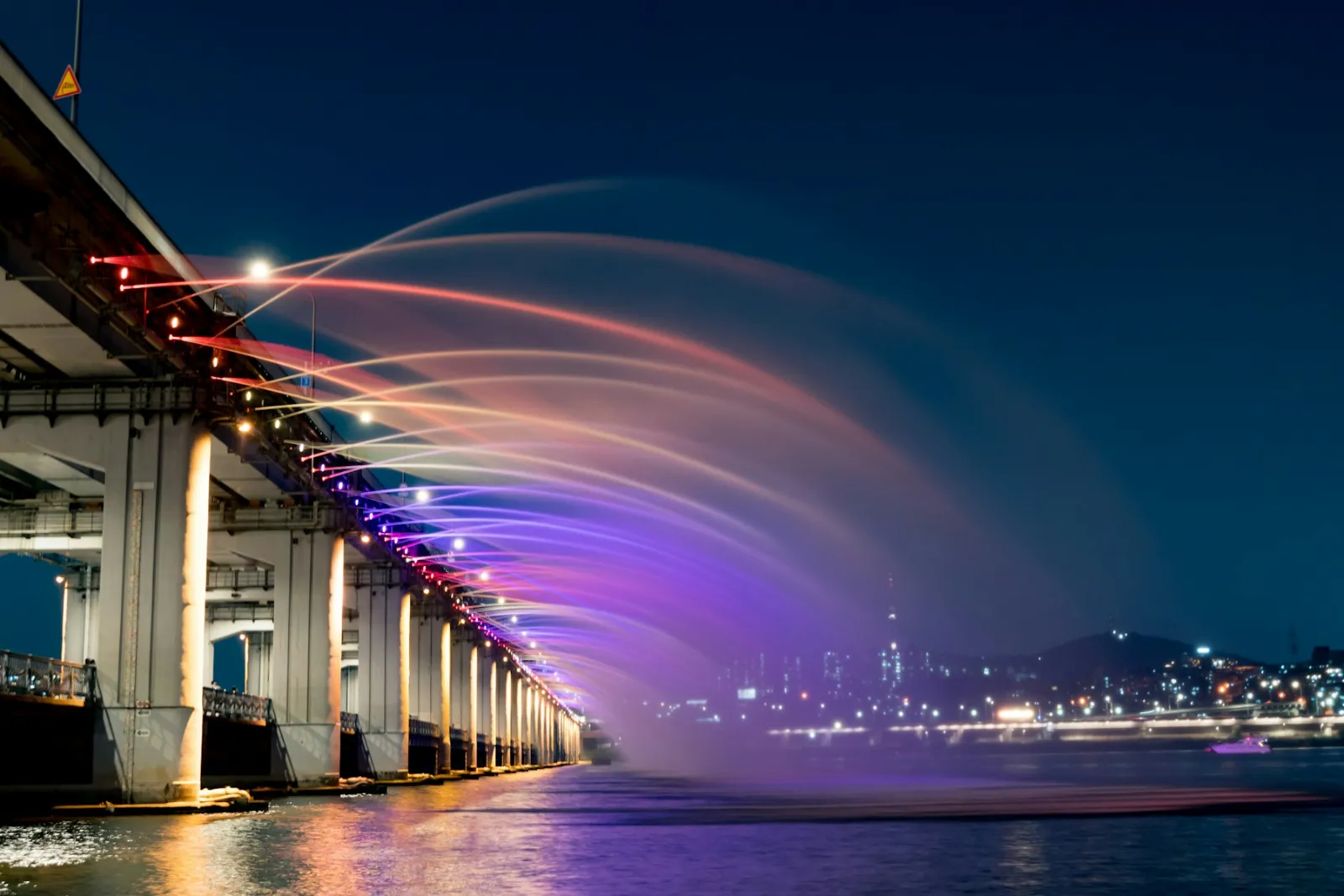
Completed in 1982. Its Moonlight Rainbow Fountain, installed in 2008, holds the Guinness World Record as the world's longest bridge fountain.
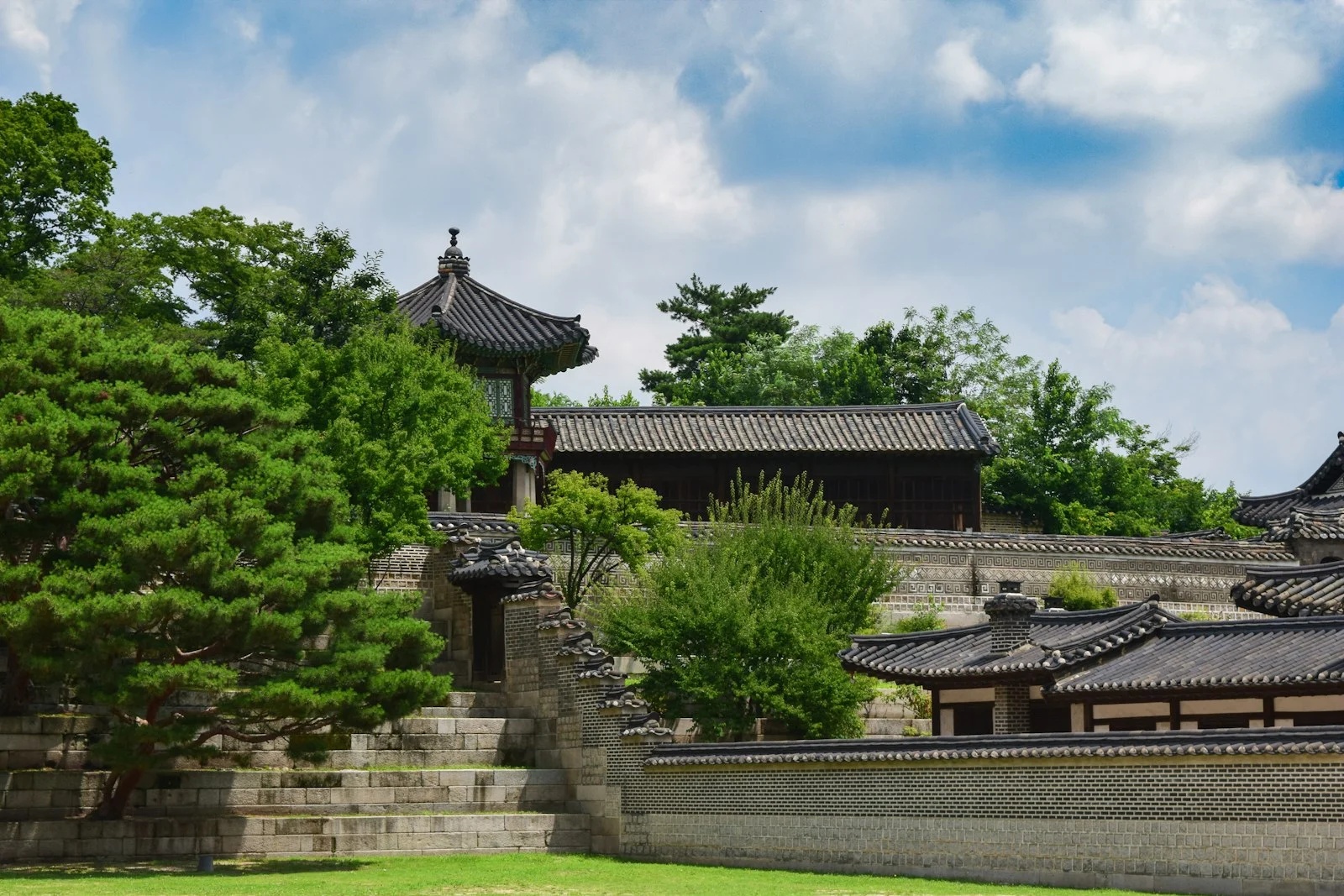
Built in 1405 as a backup palace, it became Joseon's main palace for about 250 years, with a hidden royal garden behind it.
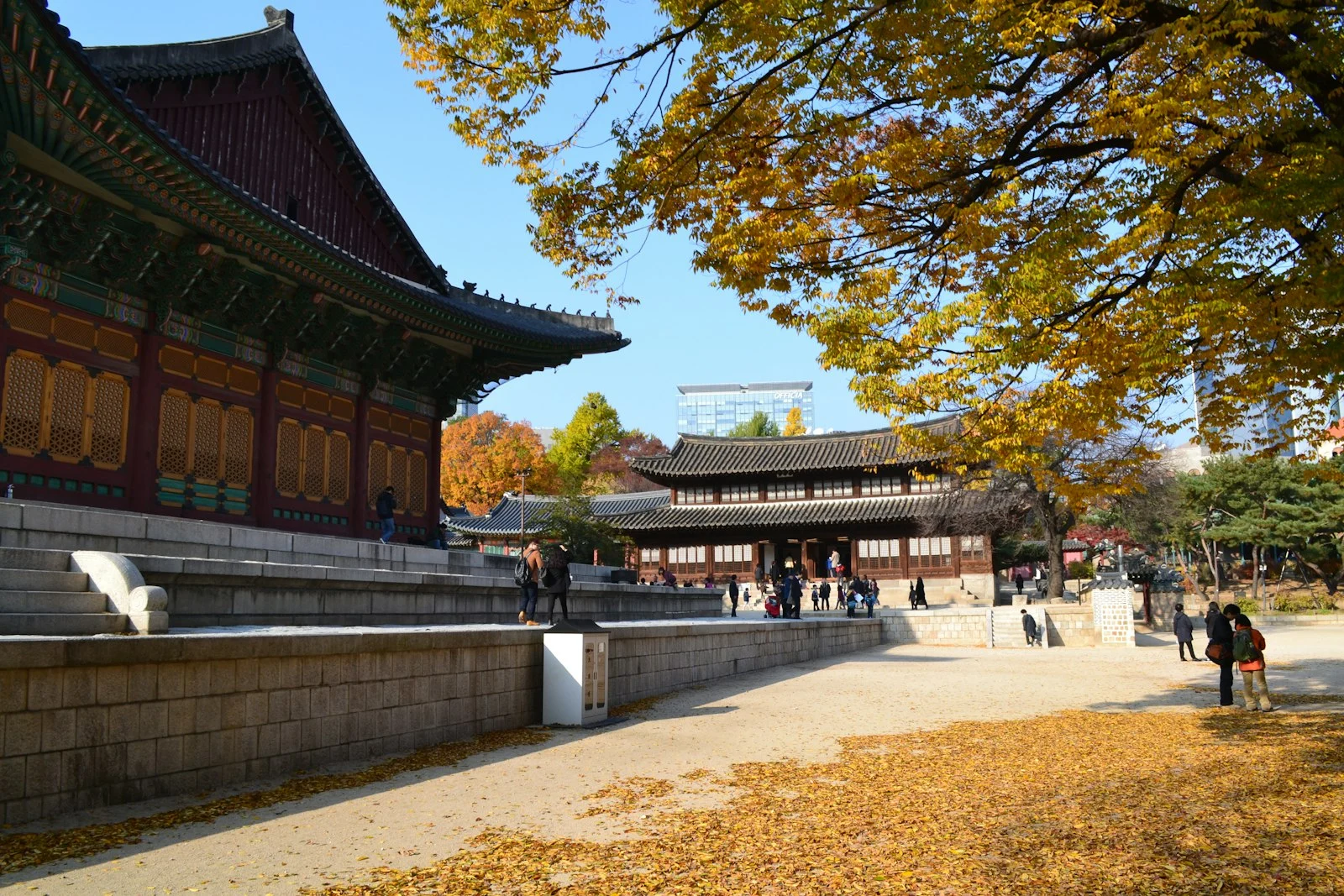
Here King Gojong became an emperor in 1897, and a neoclassical stone hall from 1910 stands beside wooden royal halls.
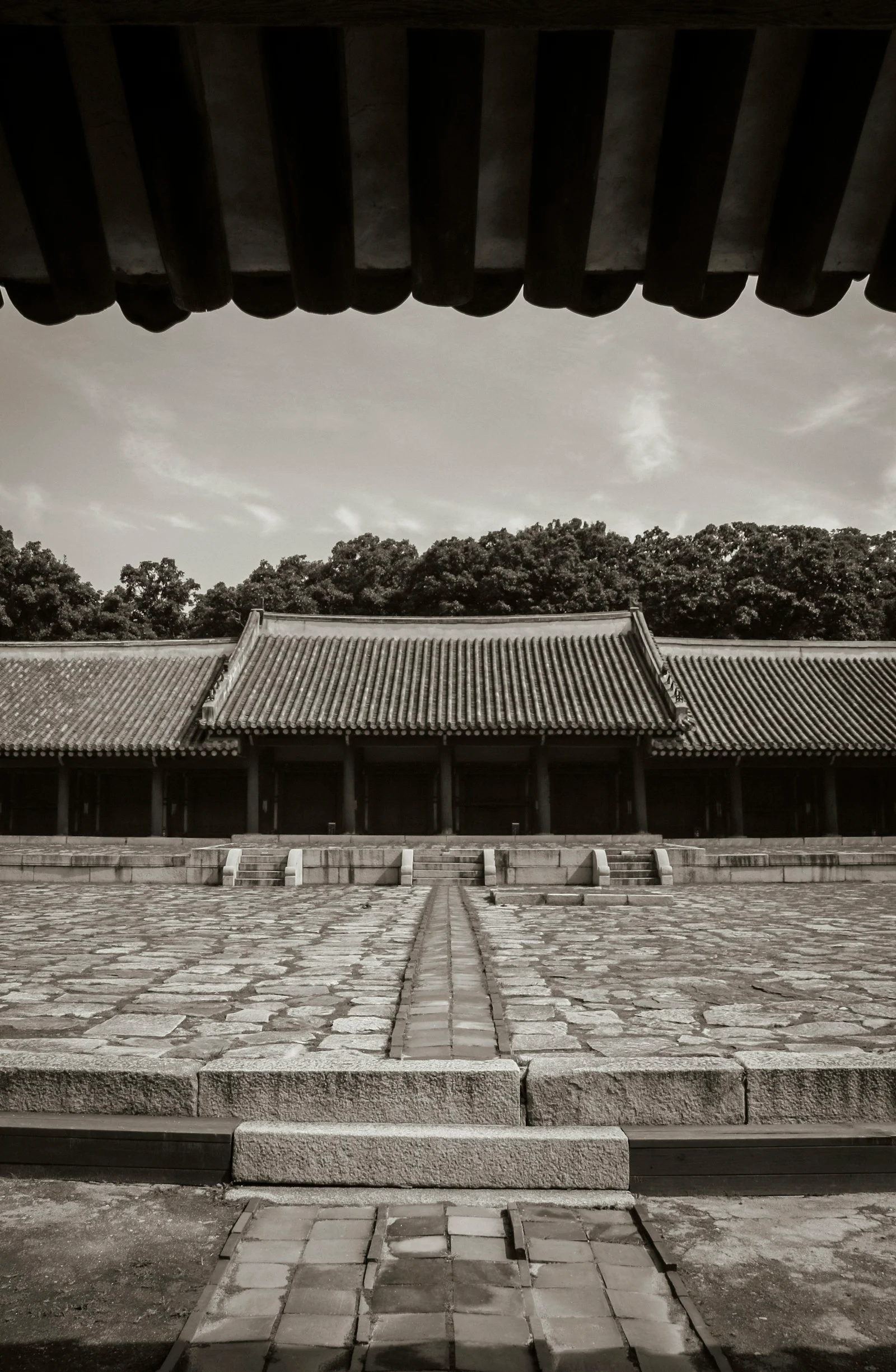
A UNESCO World Heritage shrine holding the spirit tablets of Joseon kings and queens; its main hall grew longer with every reign.
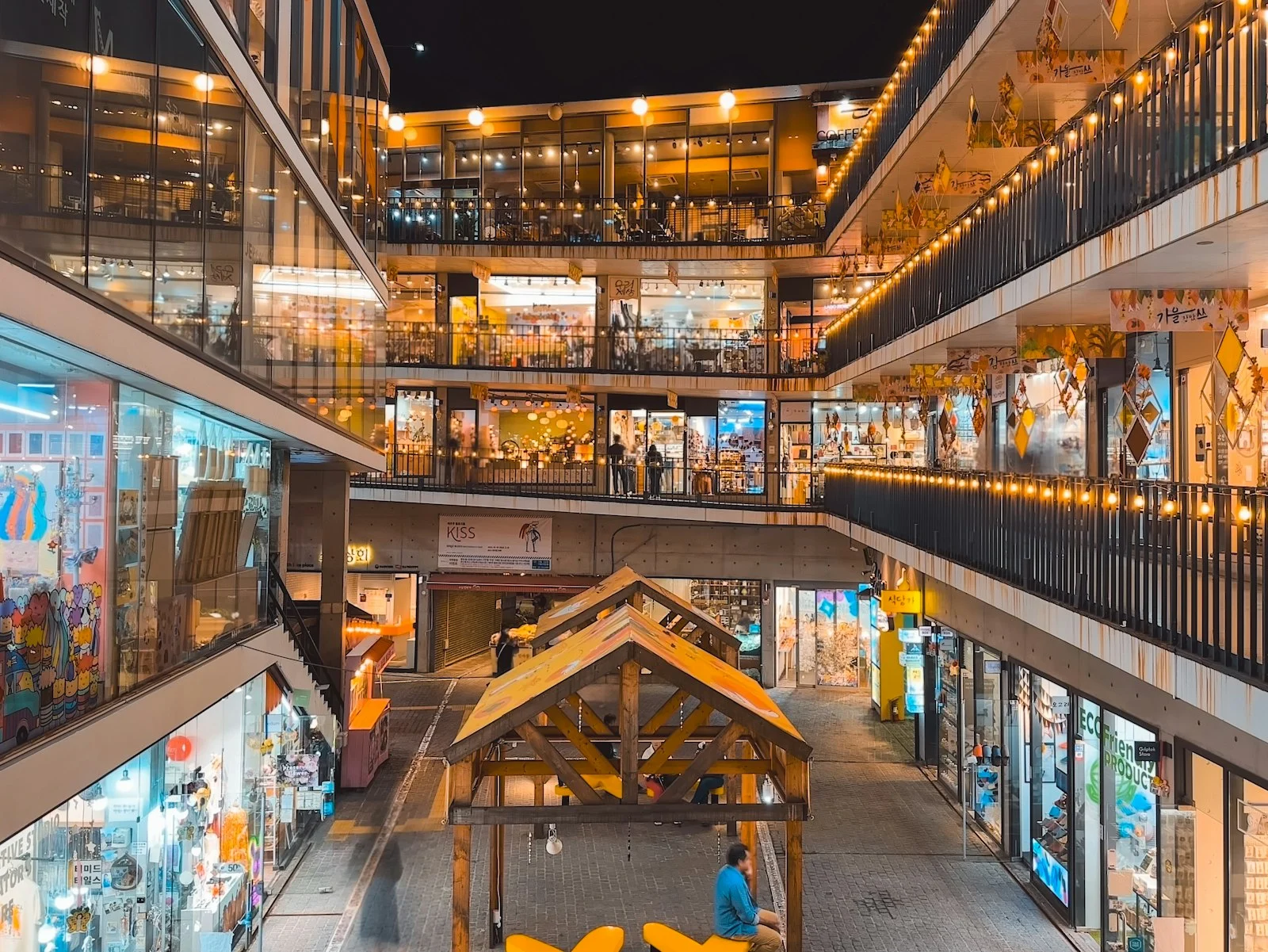
Once Korea's biggest antiques and art market, with Ssamziegil, a 2004 craft mall you climb by a spiral walkway.
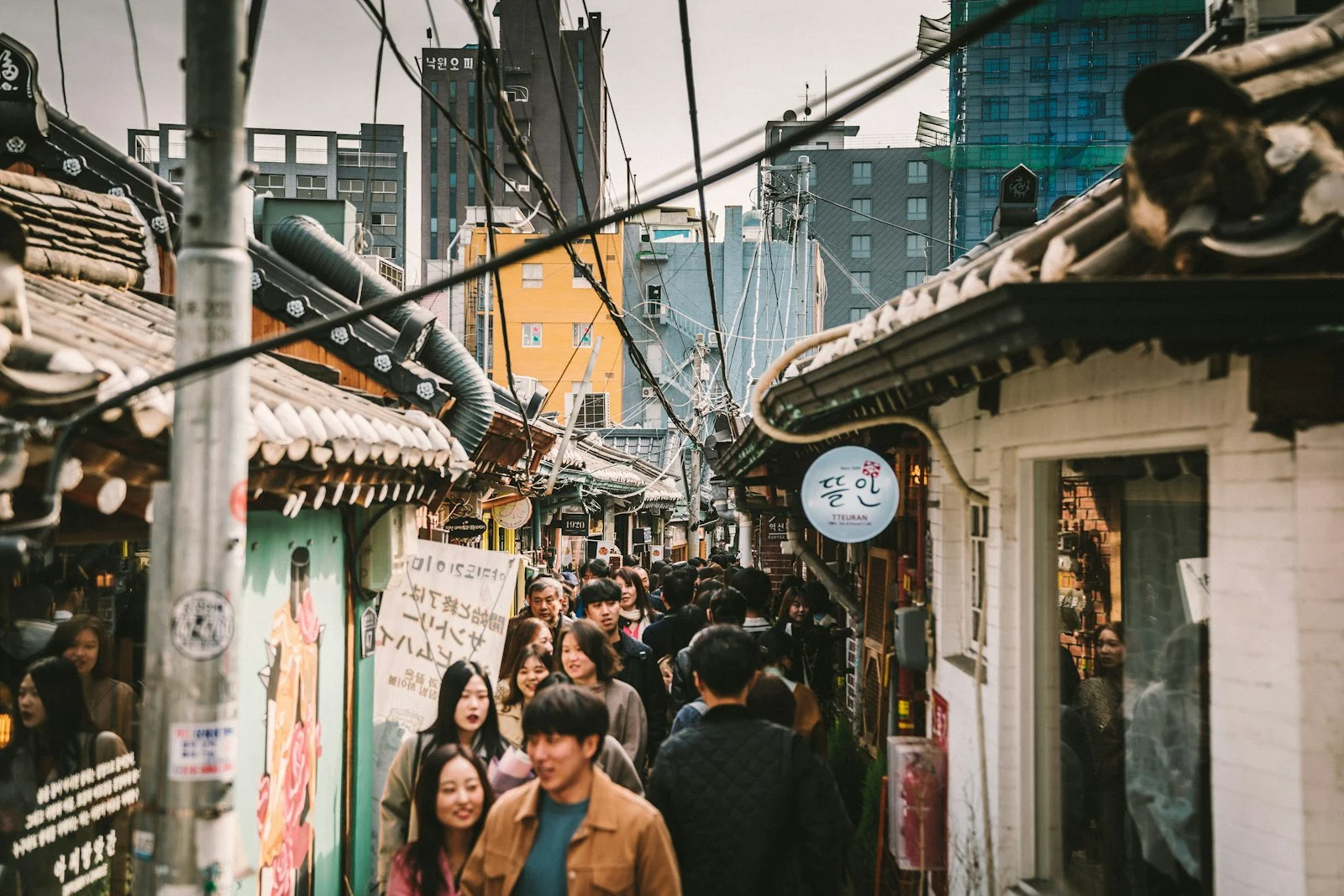
About 118 small hanok built before the 1930s, many by Jeong Se-kwon, who wanted Koreans to keep living in central Seoul.
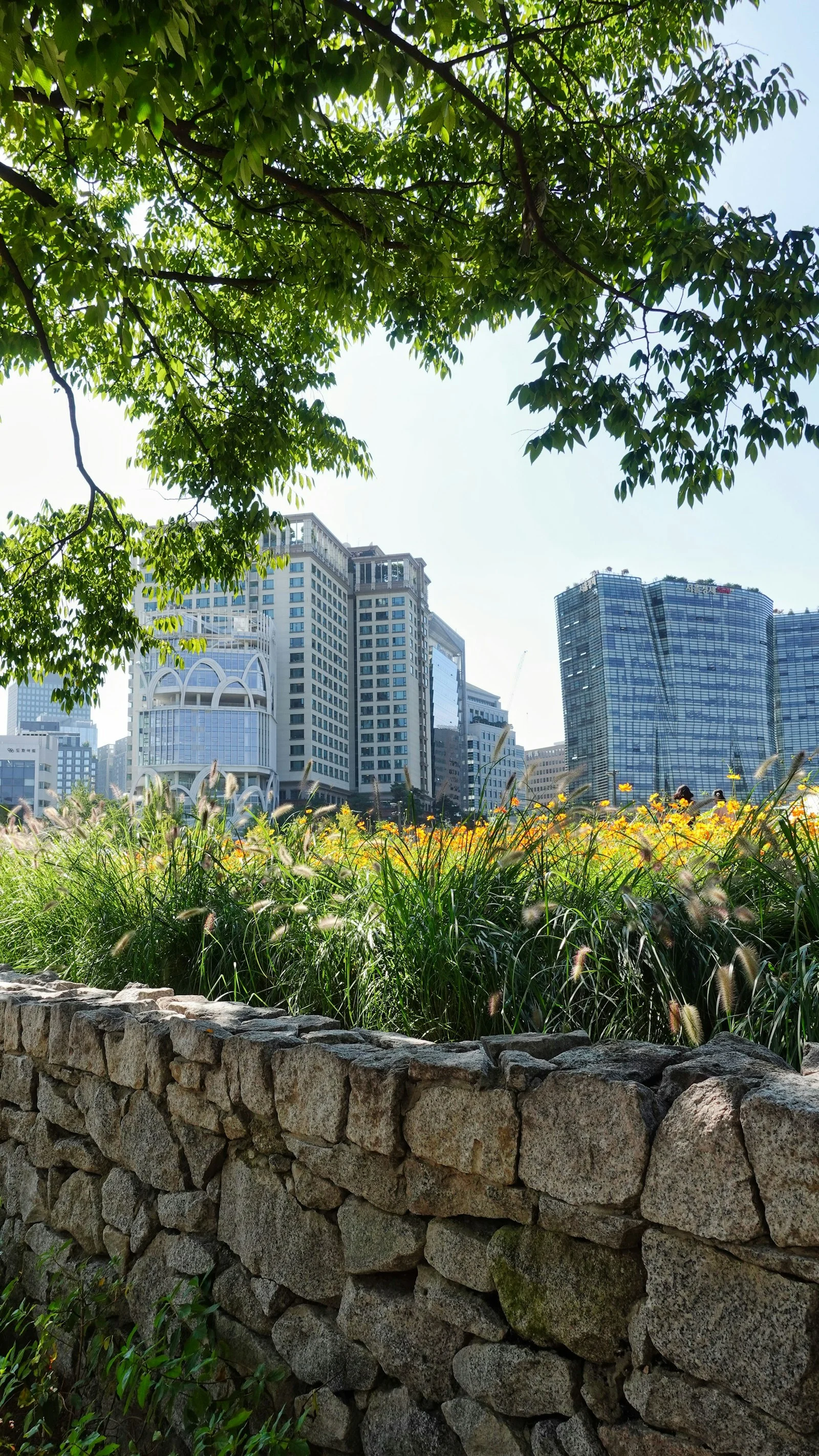
Built in 1396, the 18.6 km Seoul City Wall links four mountains; some stones still carry their builders' names.
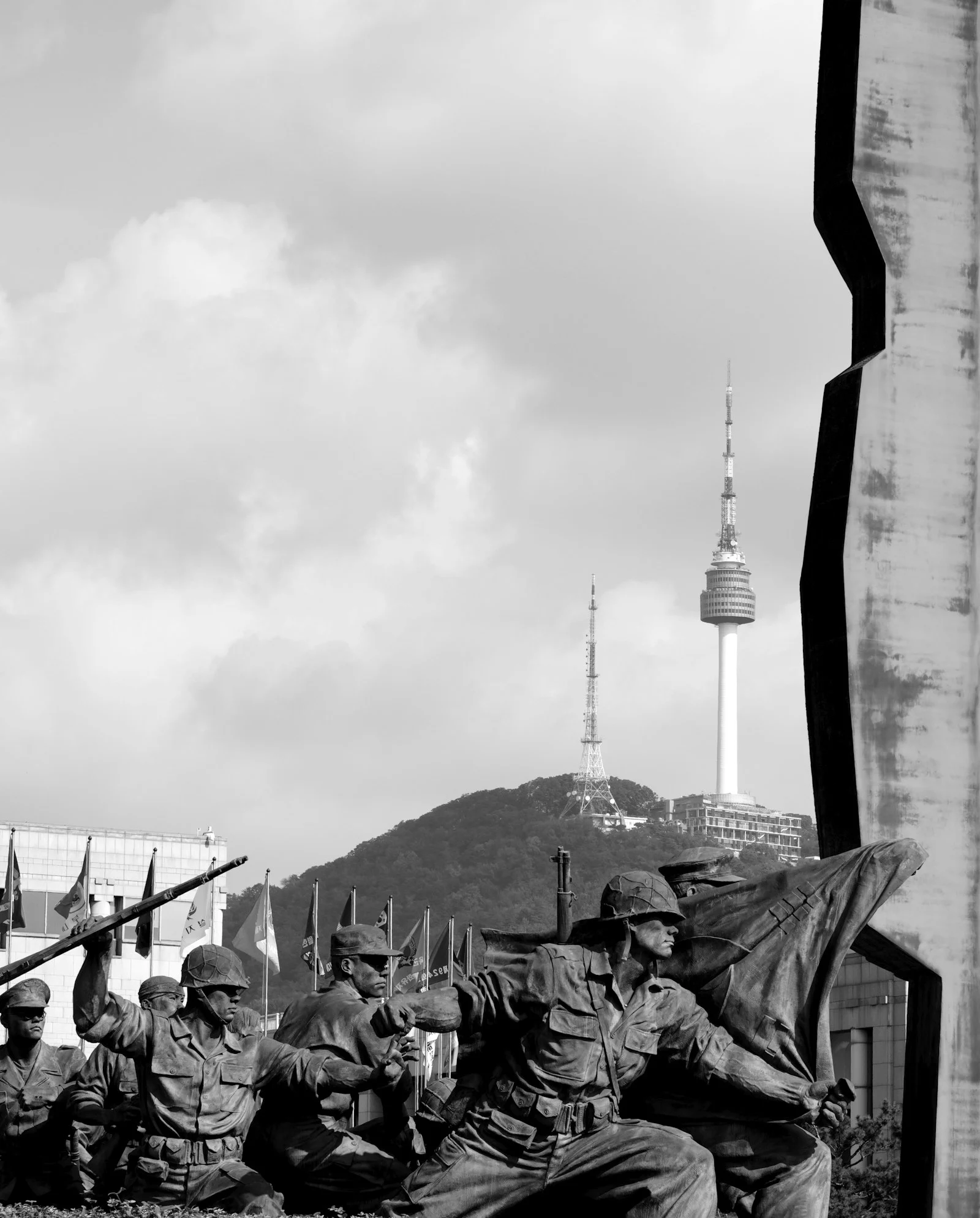
Opened in 1994 on a former army HQ site, it tells the story of the Korean War, with about 100 large weapons outside.
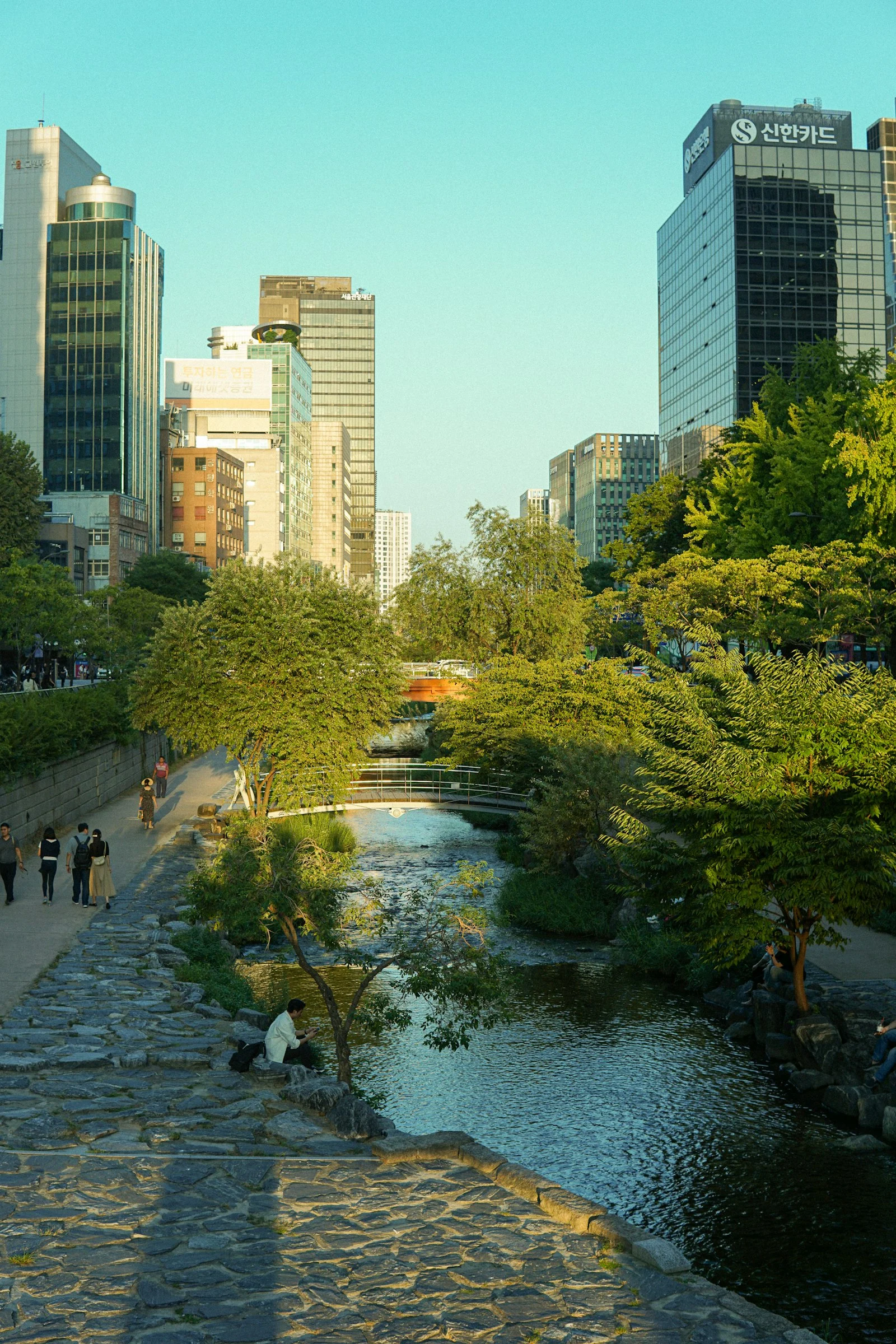
Buried under concrete and an elevated highway for decades, this 10.9 km stream was brought back to life in 2005.
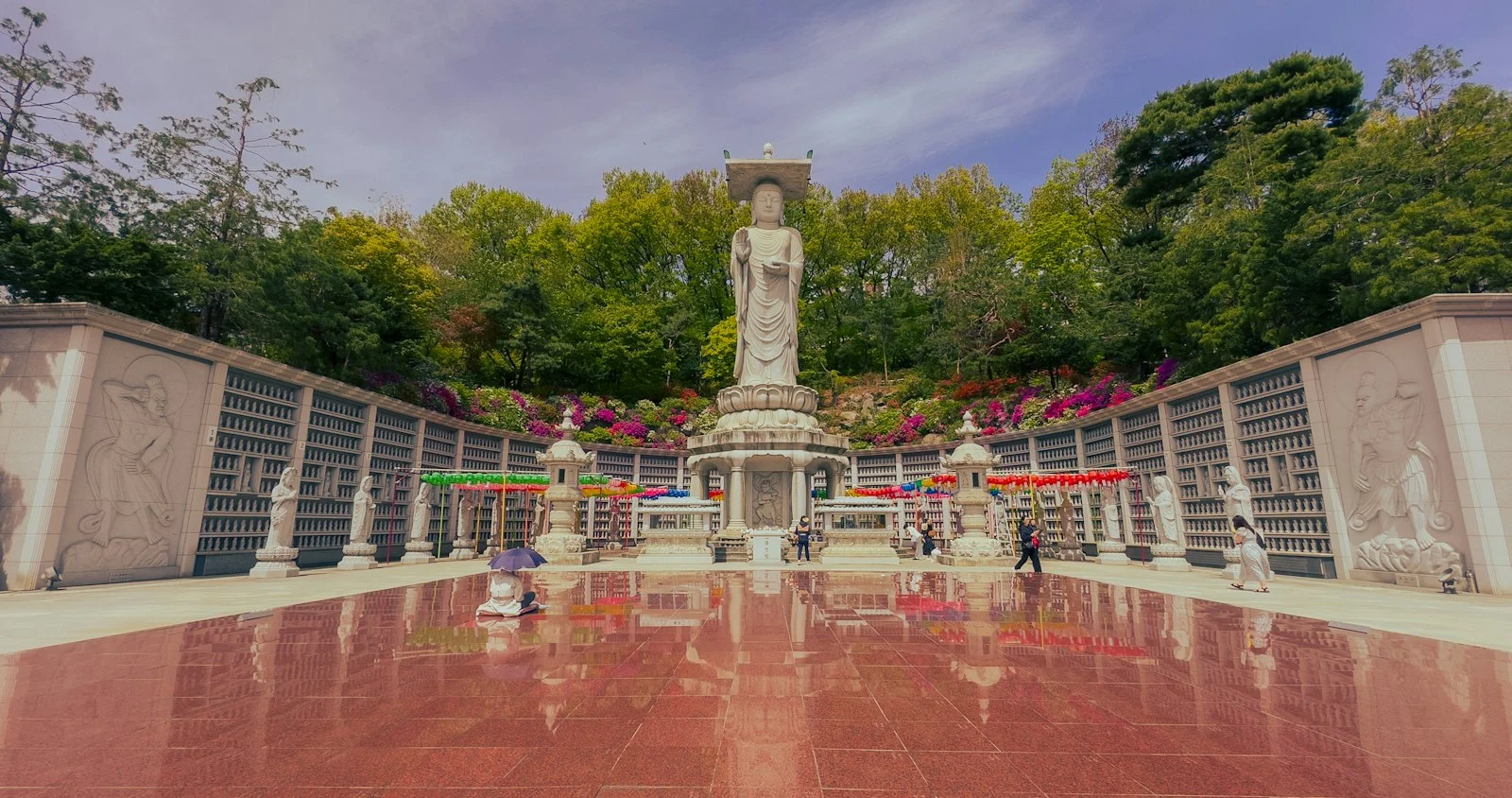
A temple founded in 794 sits in the heart of Gangnam, across from COEX's Starfield Library and its 13 m bookshelves.
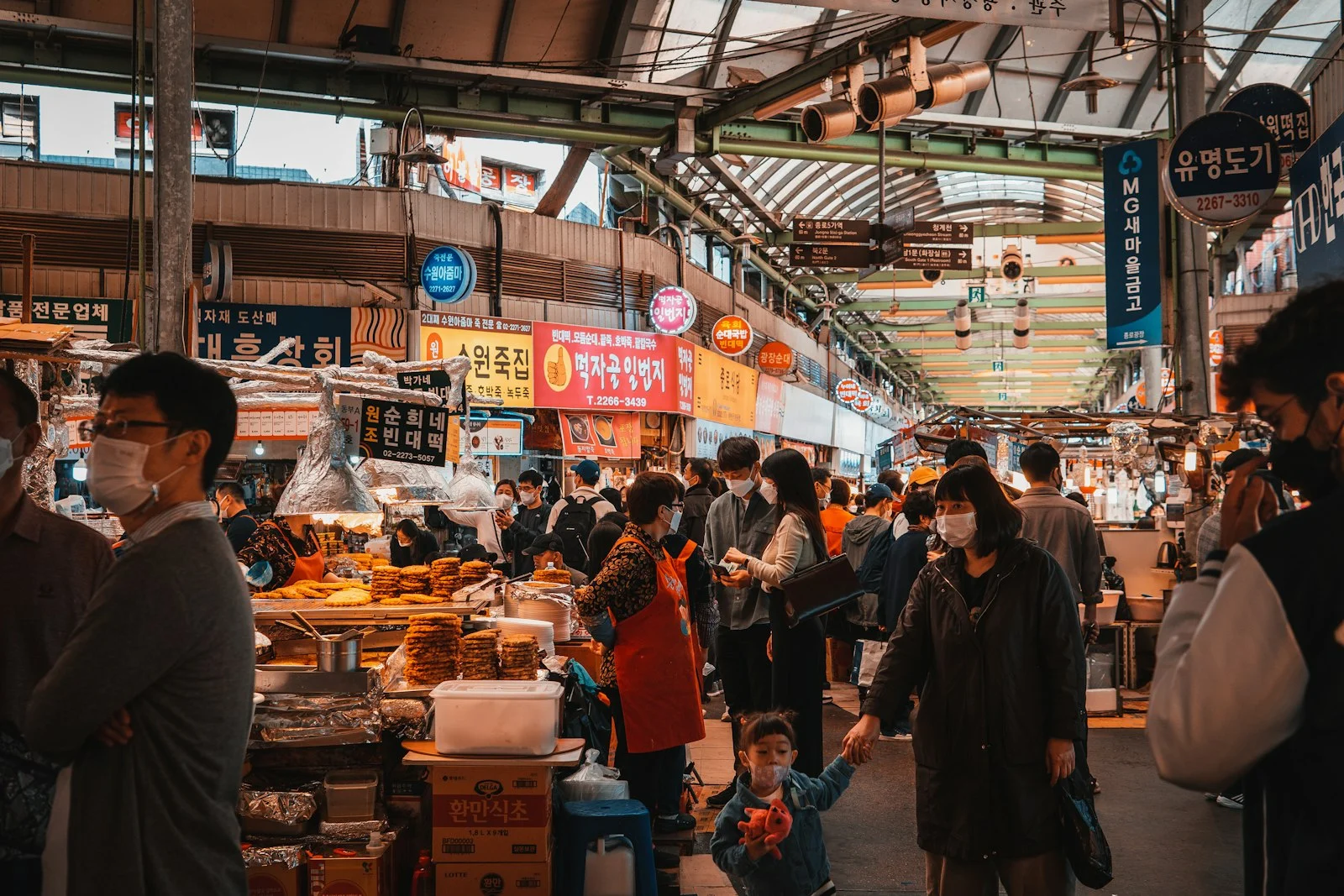
Founded by Korean merchants in 1905, it became Korea's first permanent everyday market; famous for mung bean pancakes.
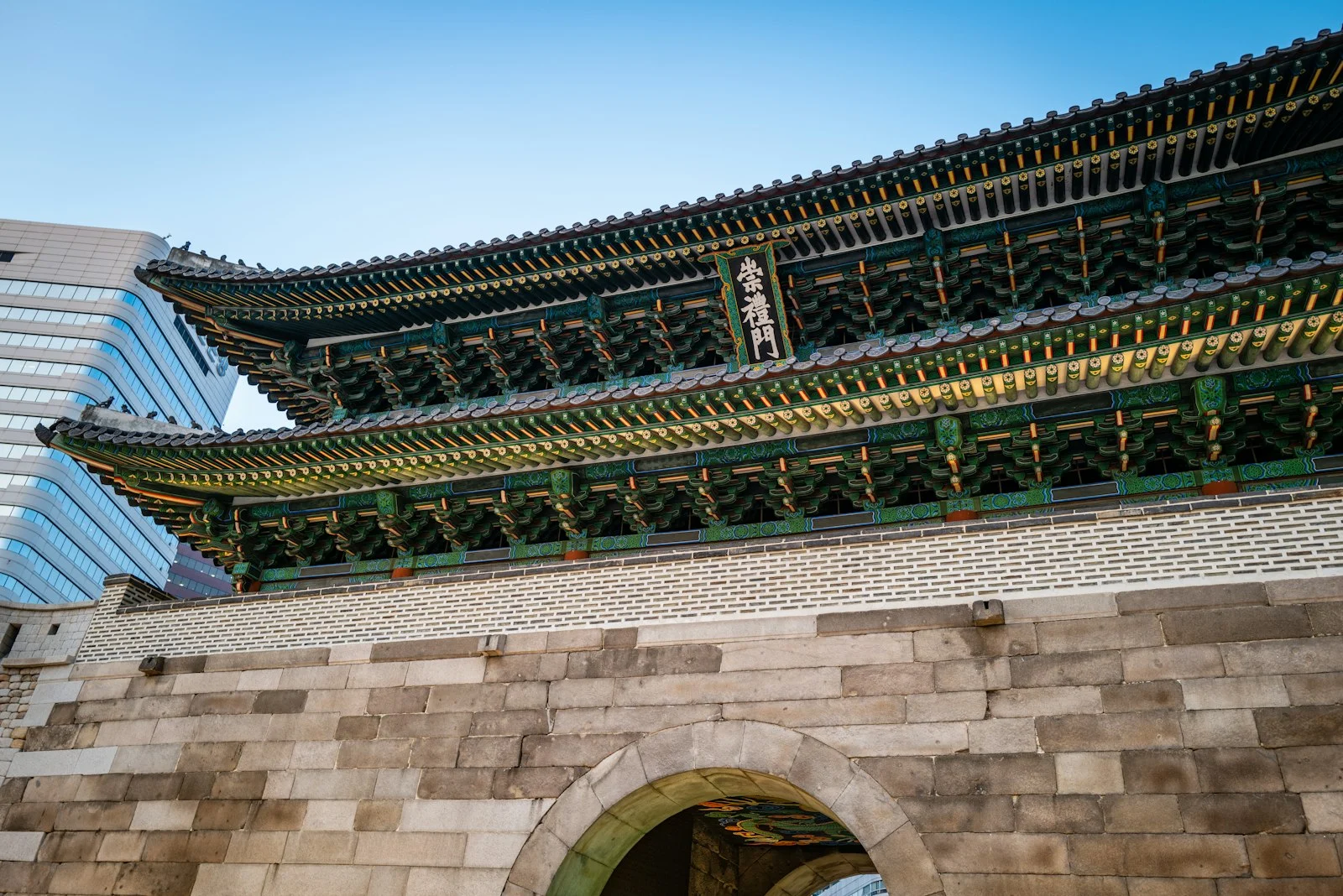
Seoul's great south gate, completed in 1398, burned in a 2008 arson attack and was restored in 2013, beside a market dating to 1414.
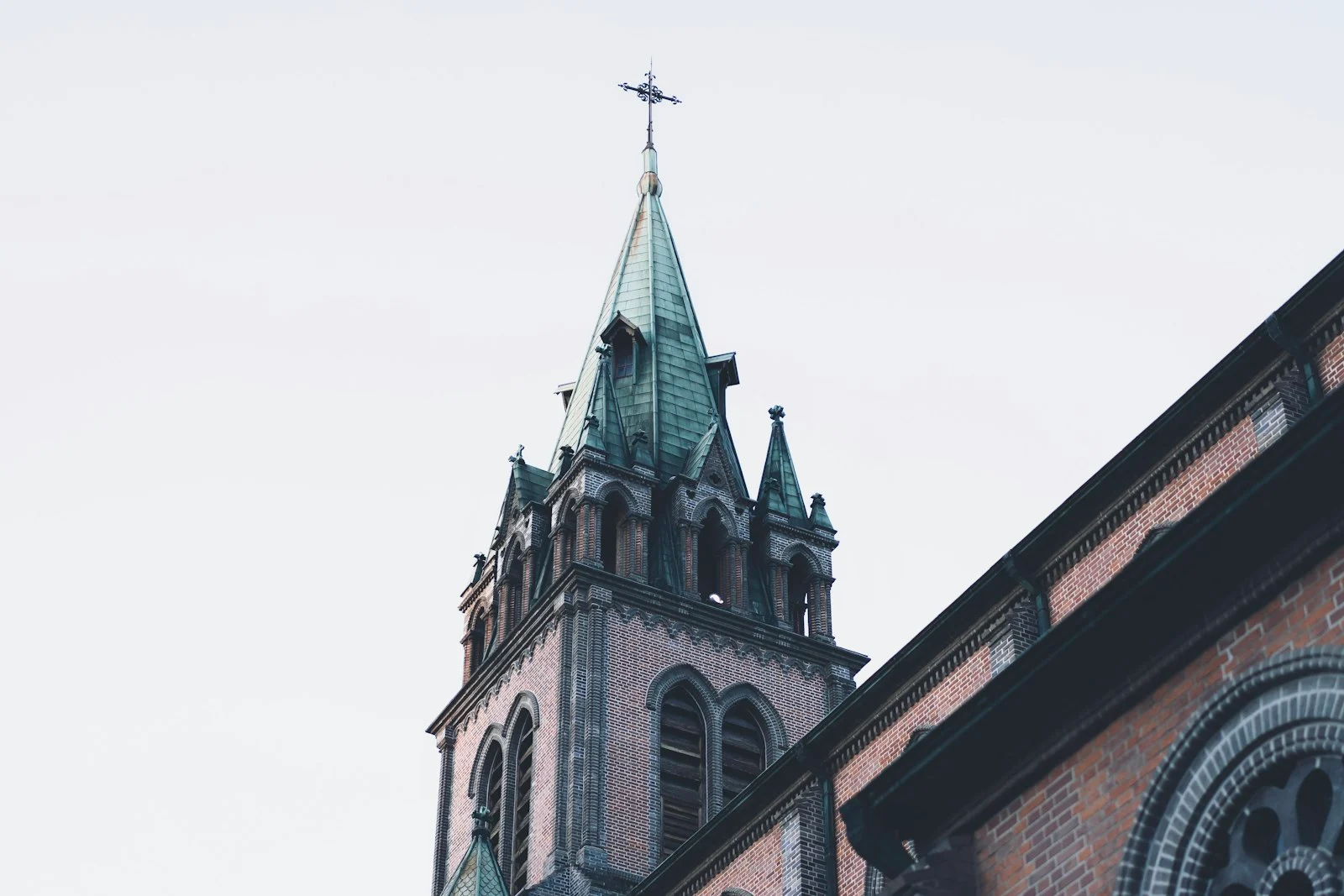
Seoul's busiest shopping street hides Korea's first Gothic building, Myeongdong Cathedral, finished in 1898.
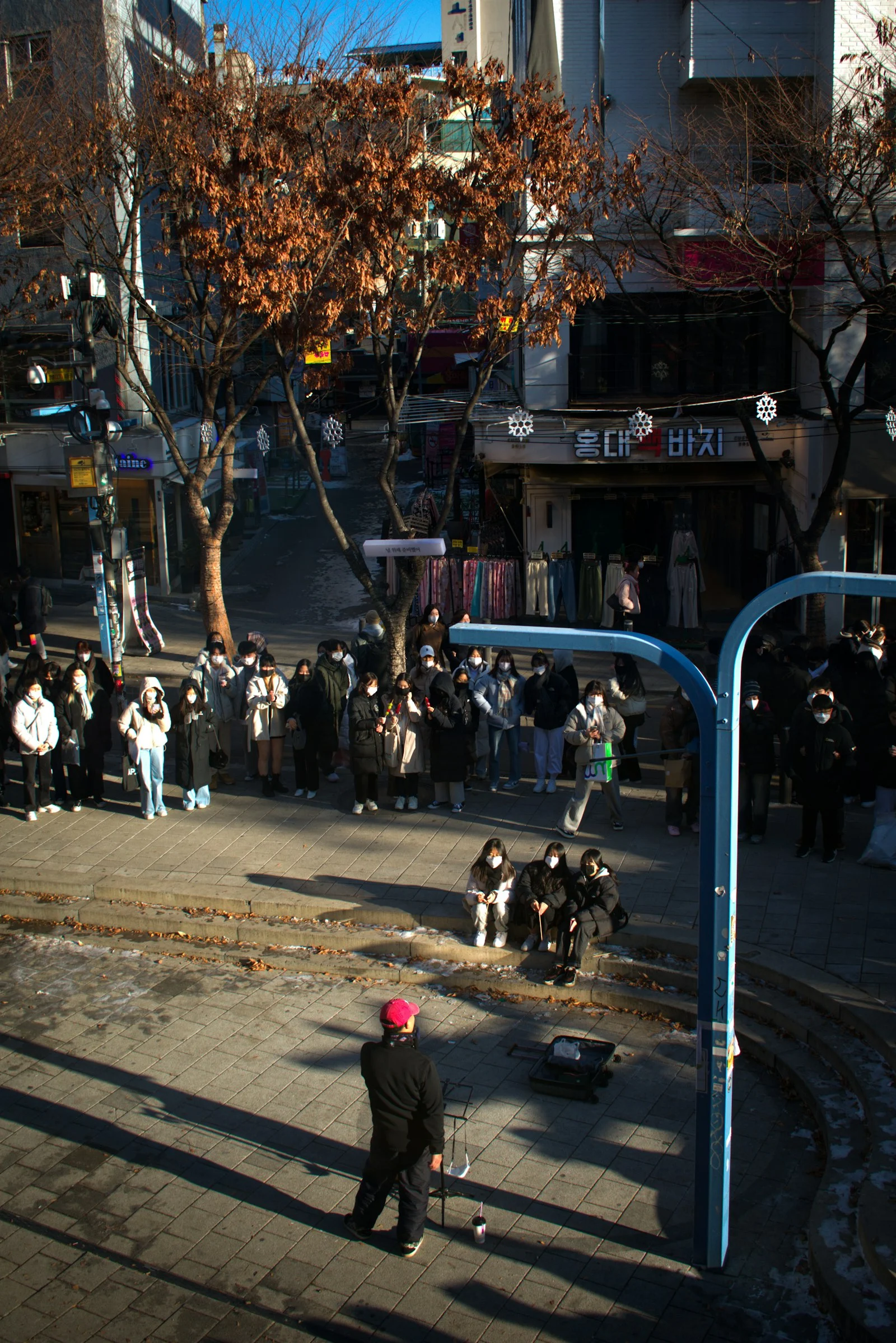
Born in cheap basements near Hongik University in the 1990s, Korea's indie scene still plays here every weekend.
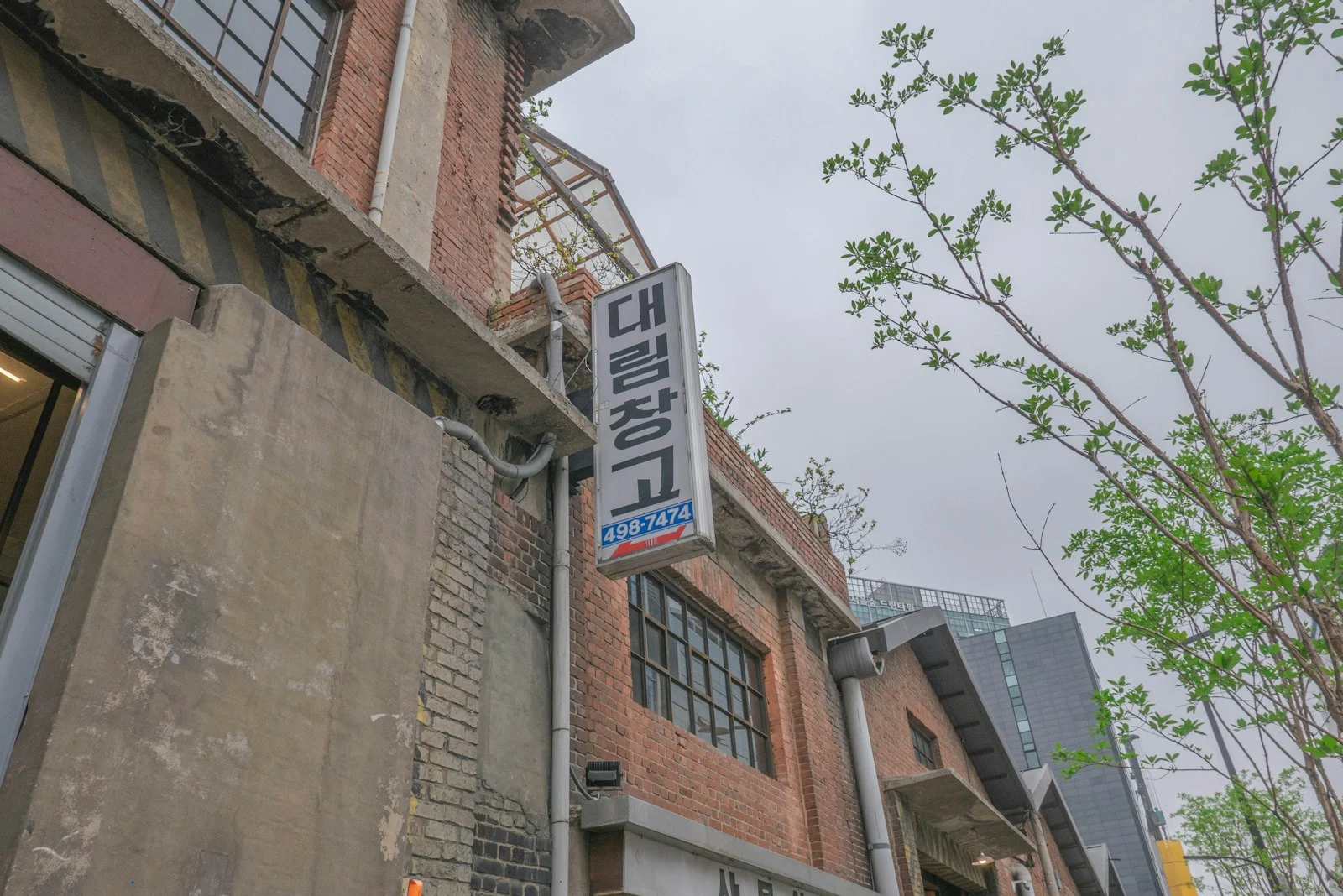
Once the maker of over 80% of Korea's handmade shoes, Seongsu turned its brick factories into cafes and pop-up stores.
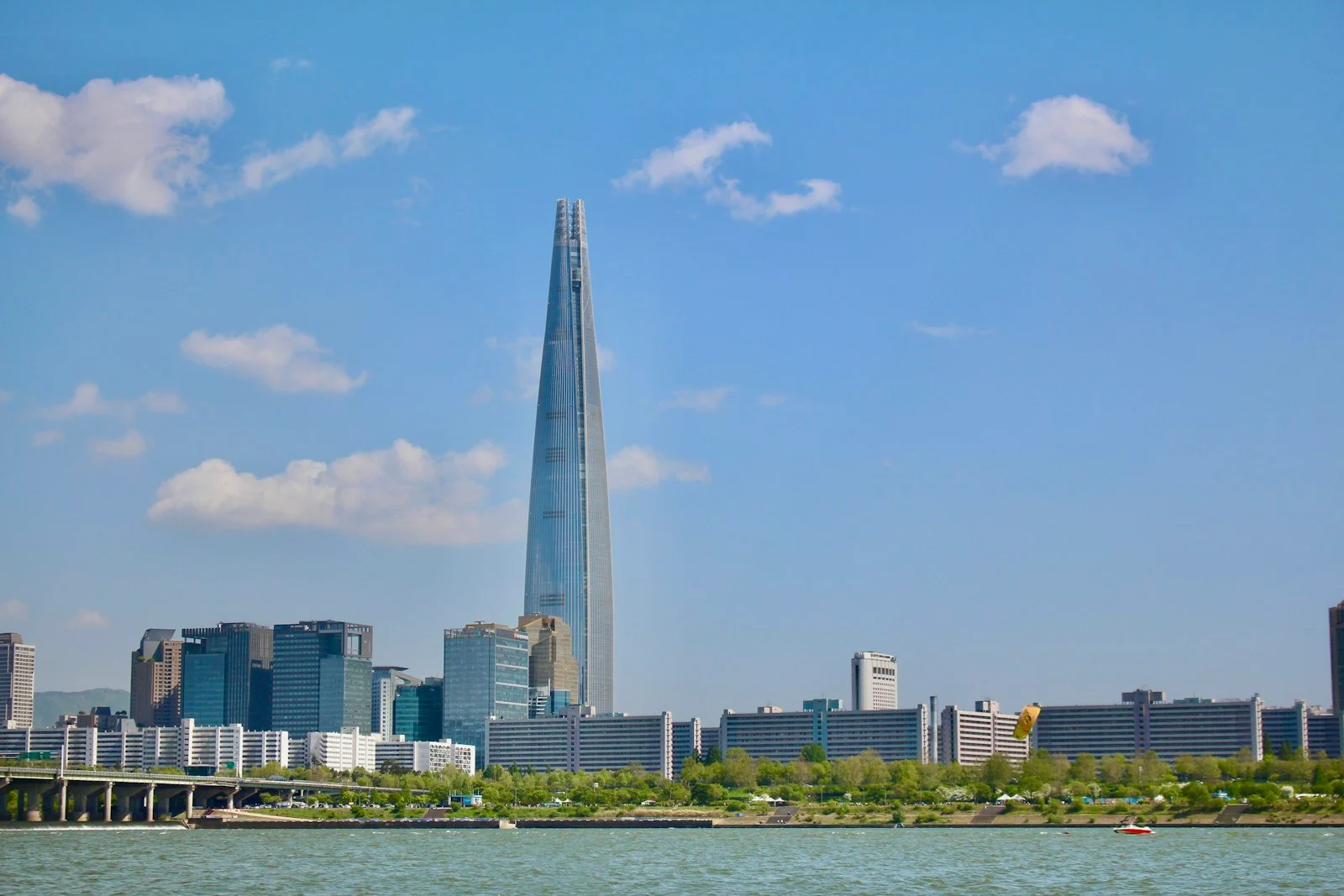
Korea's tallest building, 123 floors, opened in 2017; its Seoul Sky glass floor was the world's highest when it opened.
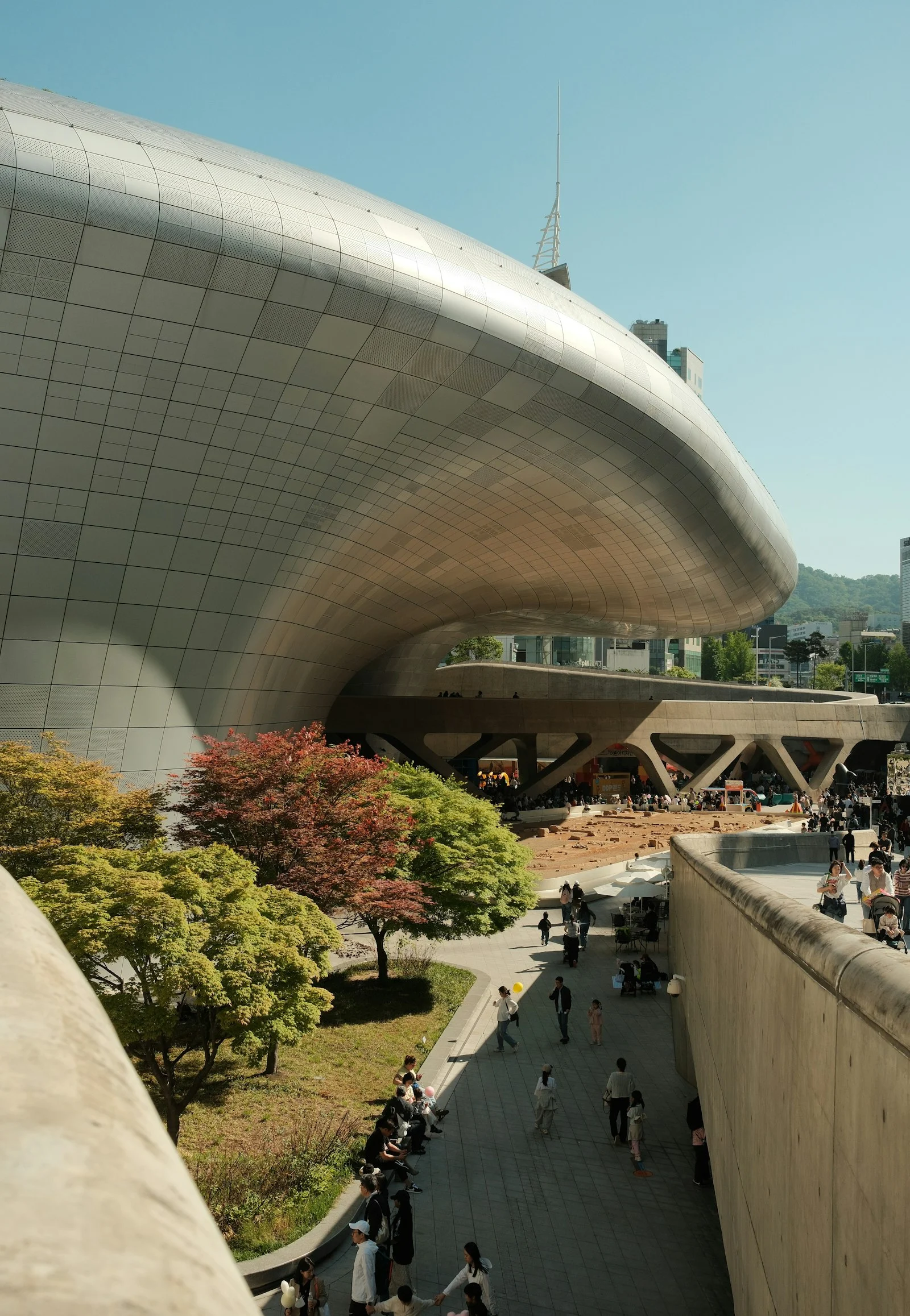
Built on the site of 1925 Dongdaemun Stadium, where digging uncovered Joseon city walls and a two-arched water gate.
Gyeonggi & Incheon
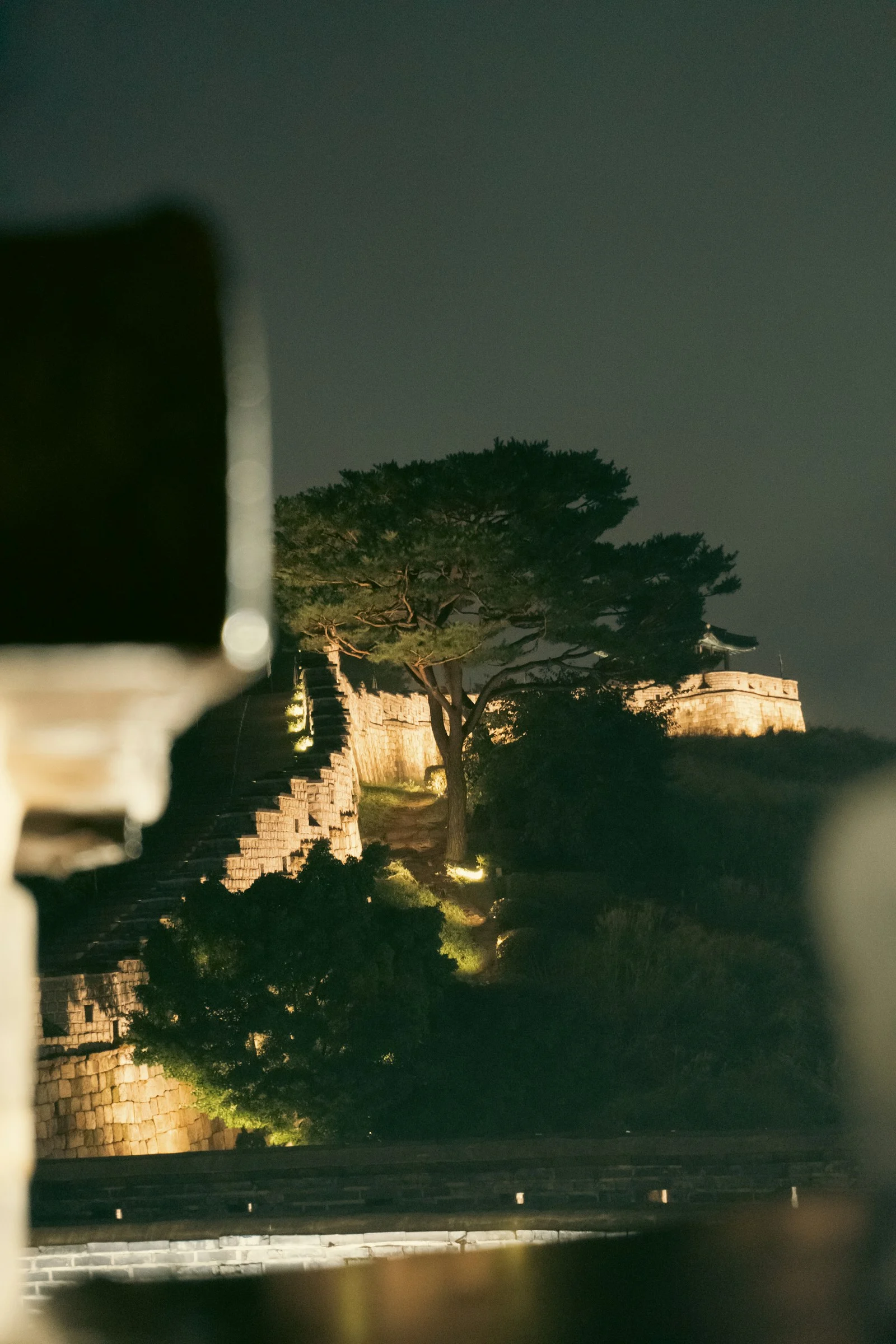
King Jeongjo built it in 1794–96 for his father Crown Prince Sado. UNESCO World Heritage since 1997.
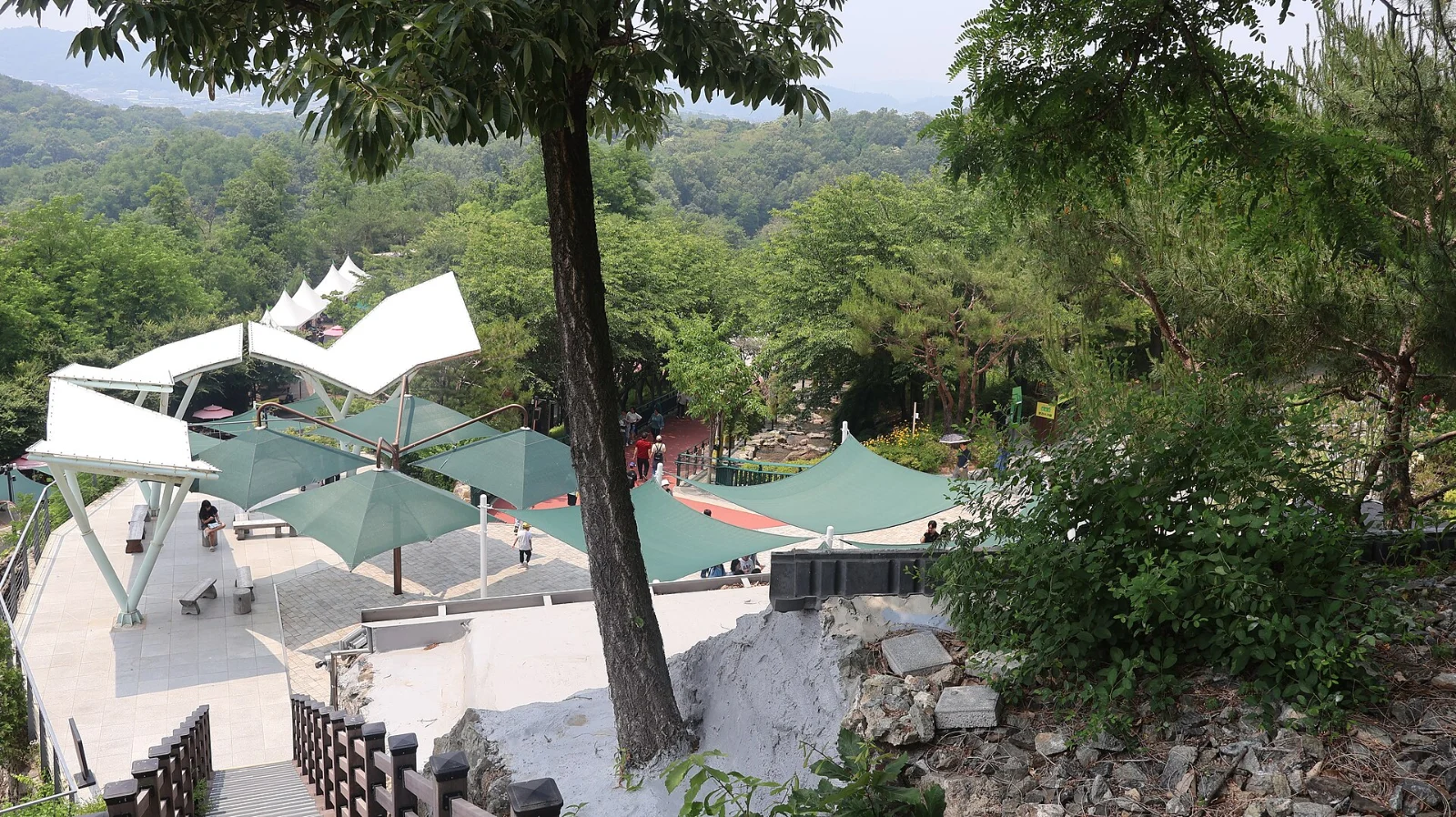
A 1912 gold mine, then a salted-shrimp storehouse, now a cave theme park with a wine cave. About 12°C all year.
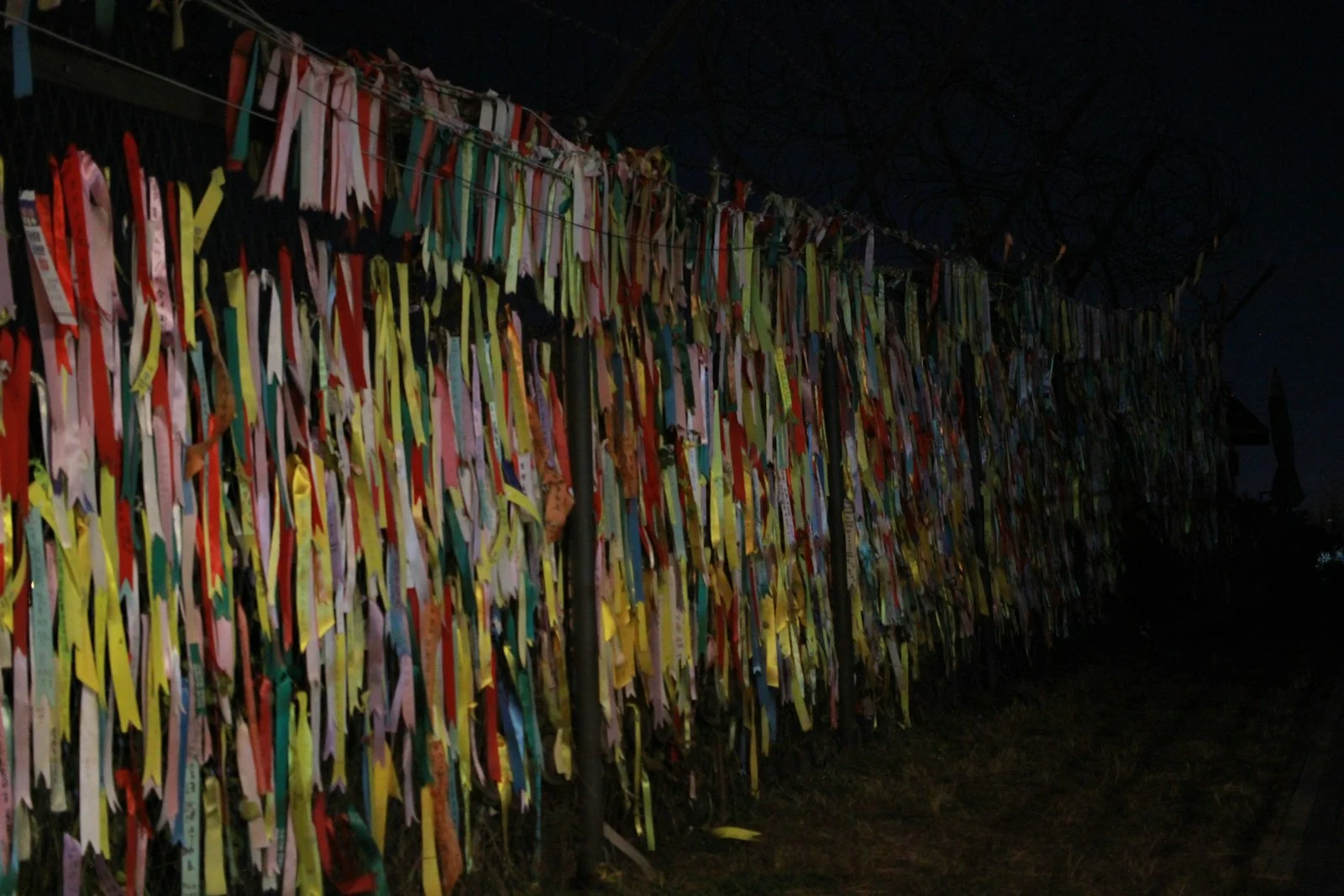
Built in 1972 about 7 km from the dividing line; in 1953 over 12,000 prisoners of war came home across the Freedom Bridge.
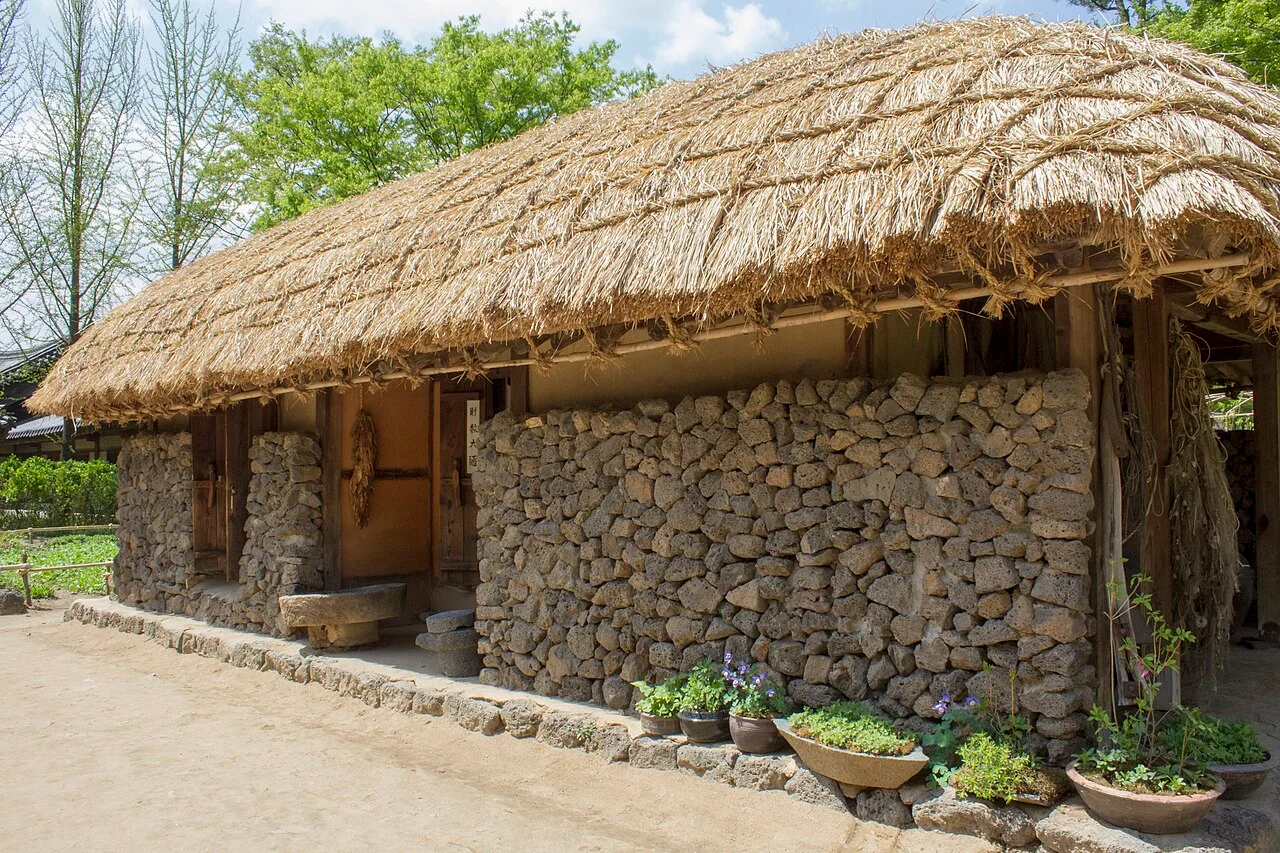
Opened in 1974 in Yongin, this village of about 270 traditional houses has starred in dramas like Moon Embracing the Sun.
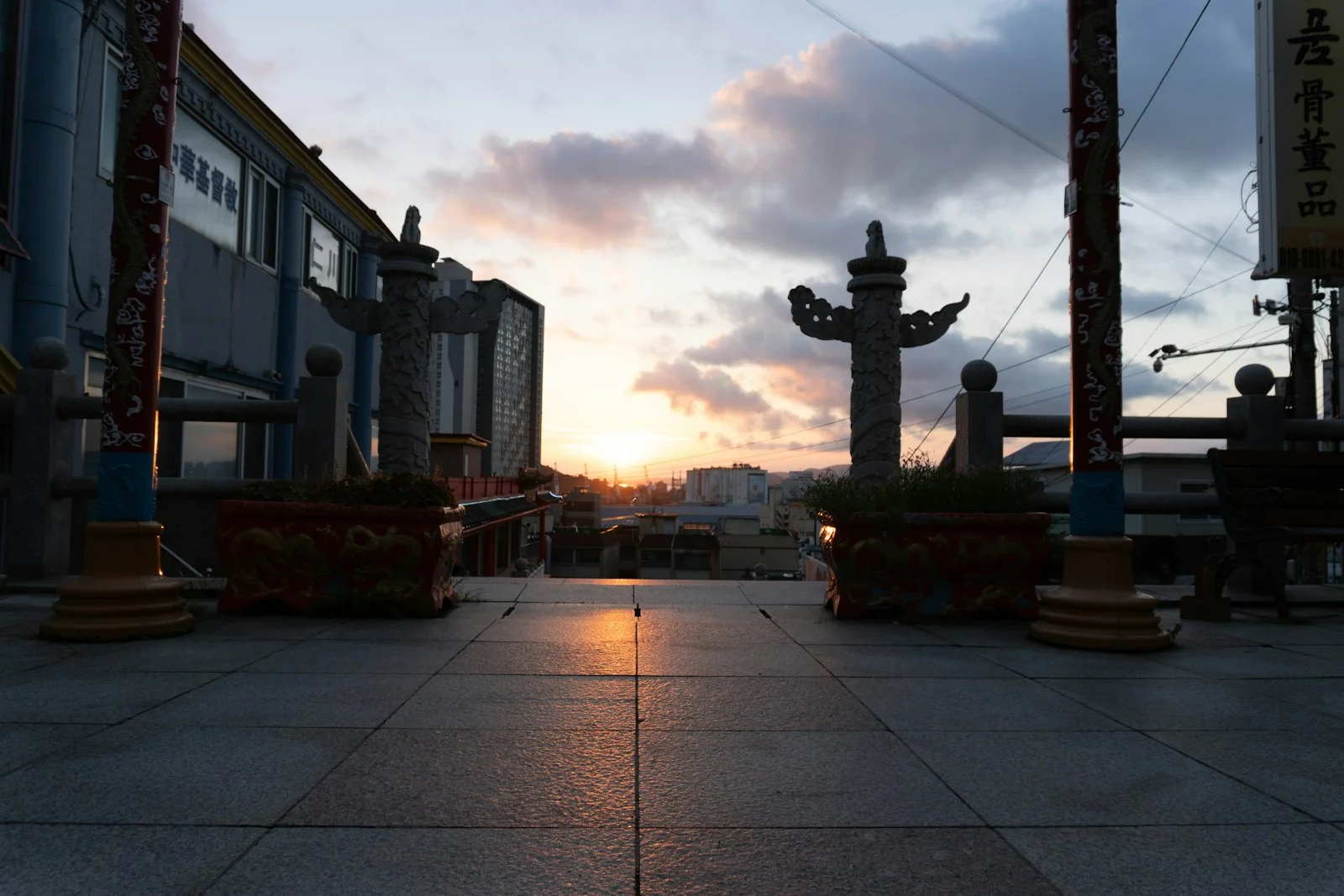
Gonghwachun, opened in the early 1900s, is known as Korea's first jjajangmyeon restaurant; since 2012 it's a noodle museum.
Gangwon
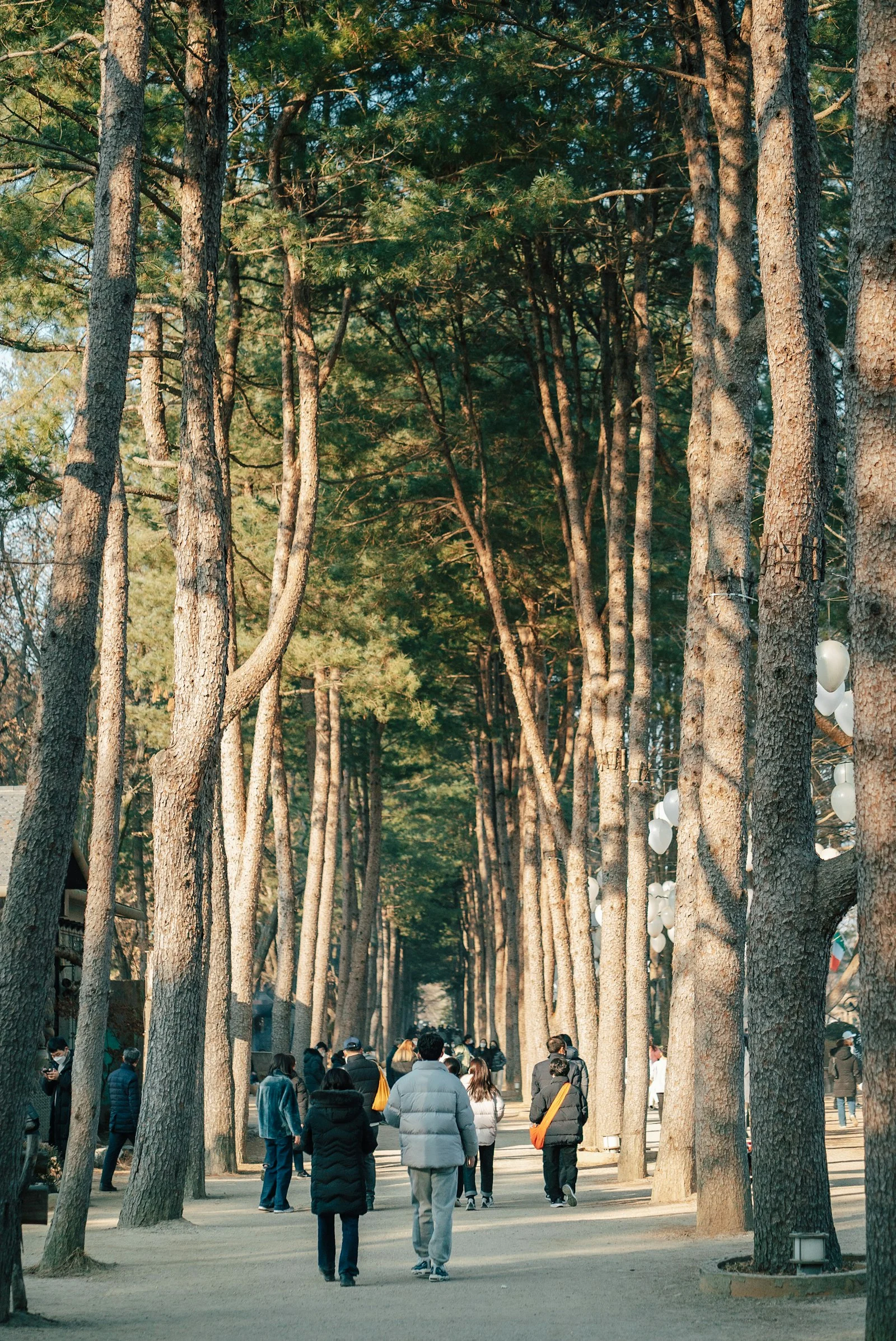
Formed when Cheongpyeong Dam raised the river in 1944, it became famous across Asia after the 2002 drama Winter Sonata.
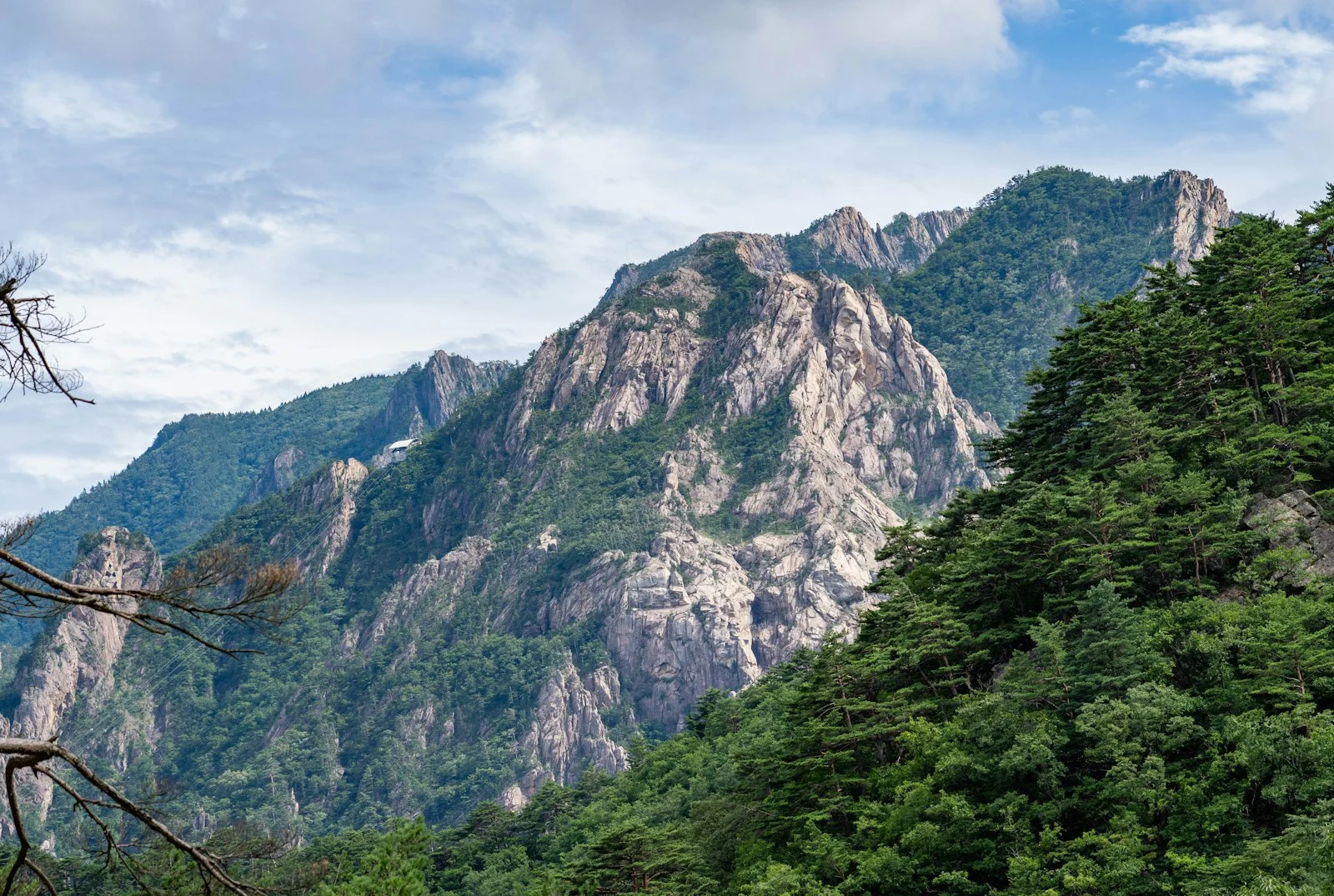
Korea's national park since 1970 and a UNESCO Biosphere Reserve since 1982, with a 14.6 m bronze Buddha at Sinheungsa.
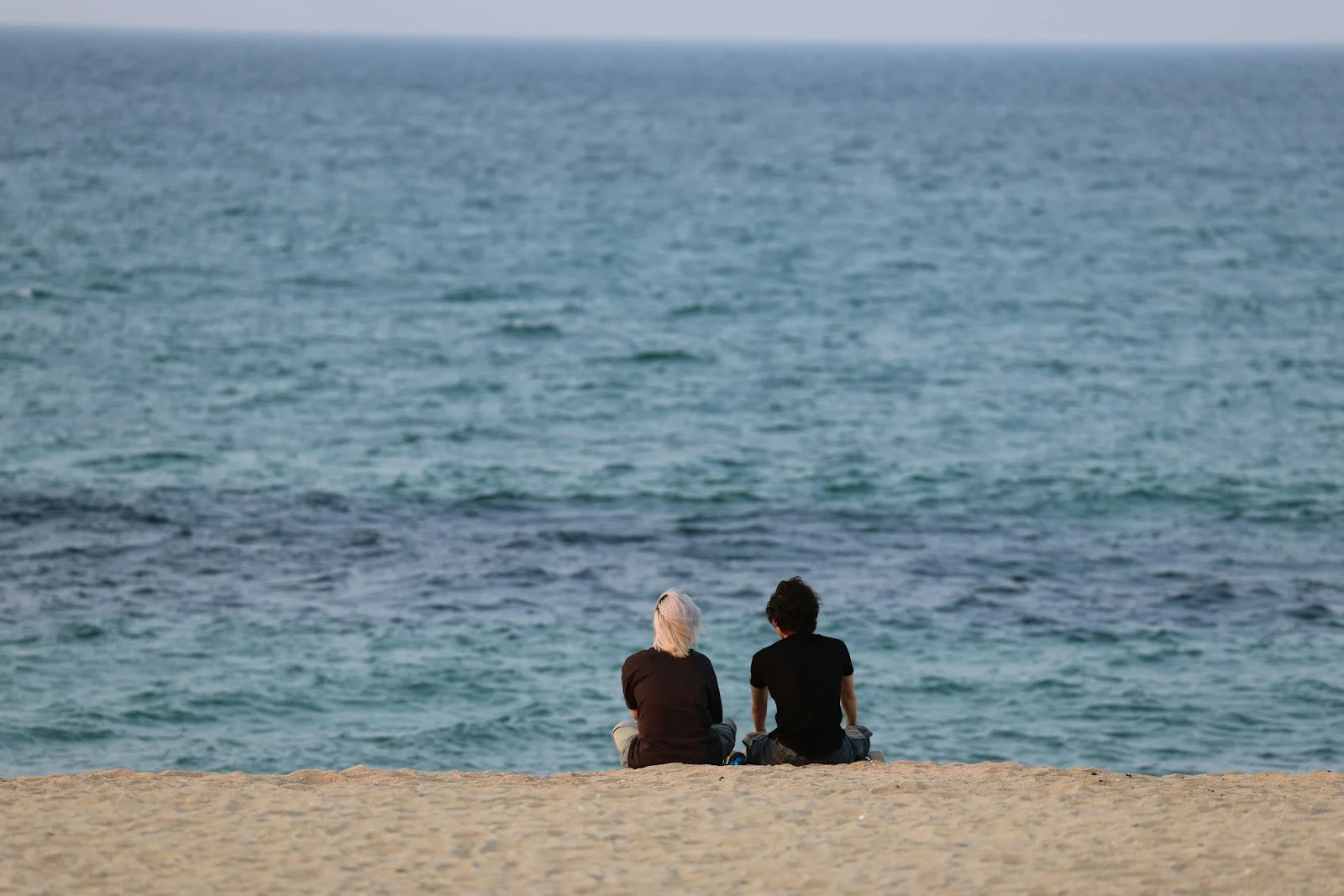
At Ojukheon were born Shin Saimdang and her son Yi I, the faces of Korea's 50,000 and 5,000 won notes.
Chungcheong
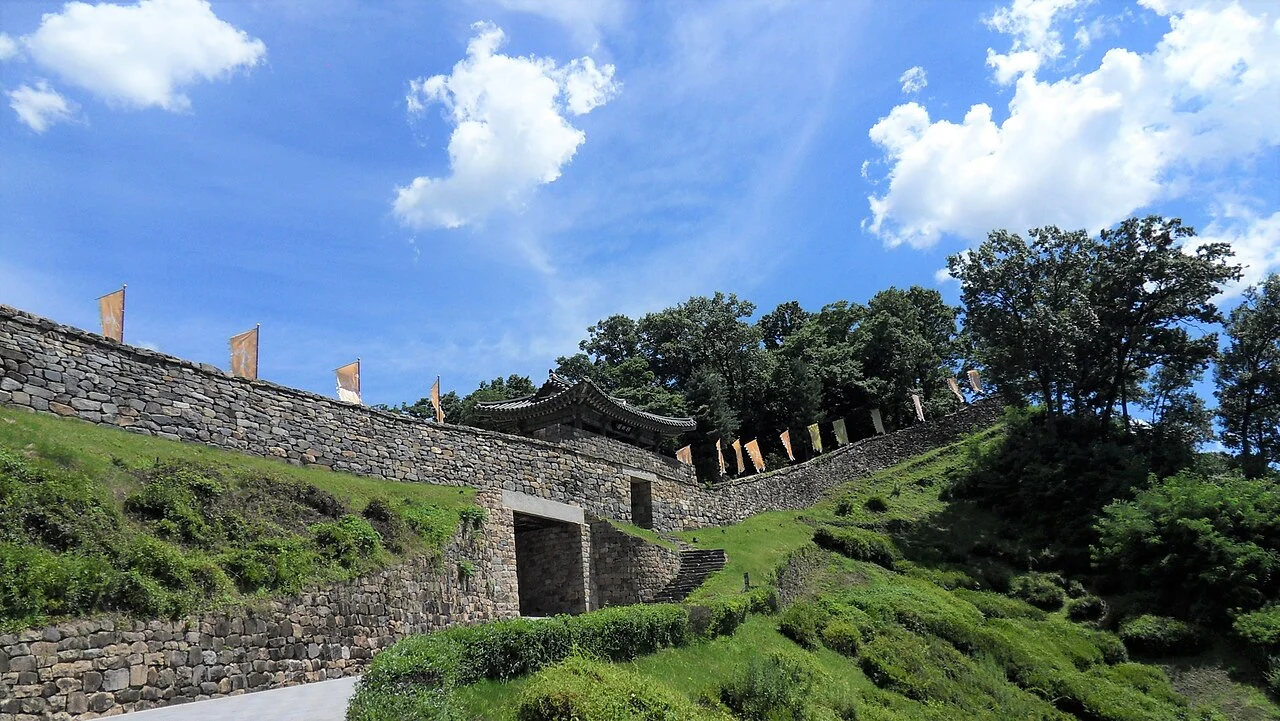
When Goguryeo overran its capital, Baekje rebuilt here at Ungjin from 475 to 538; a UNESCO site since 2015.
Gyeongsang (Gyeongju & more)
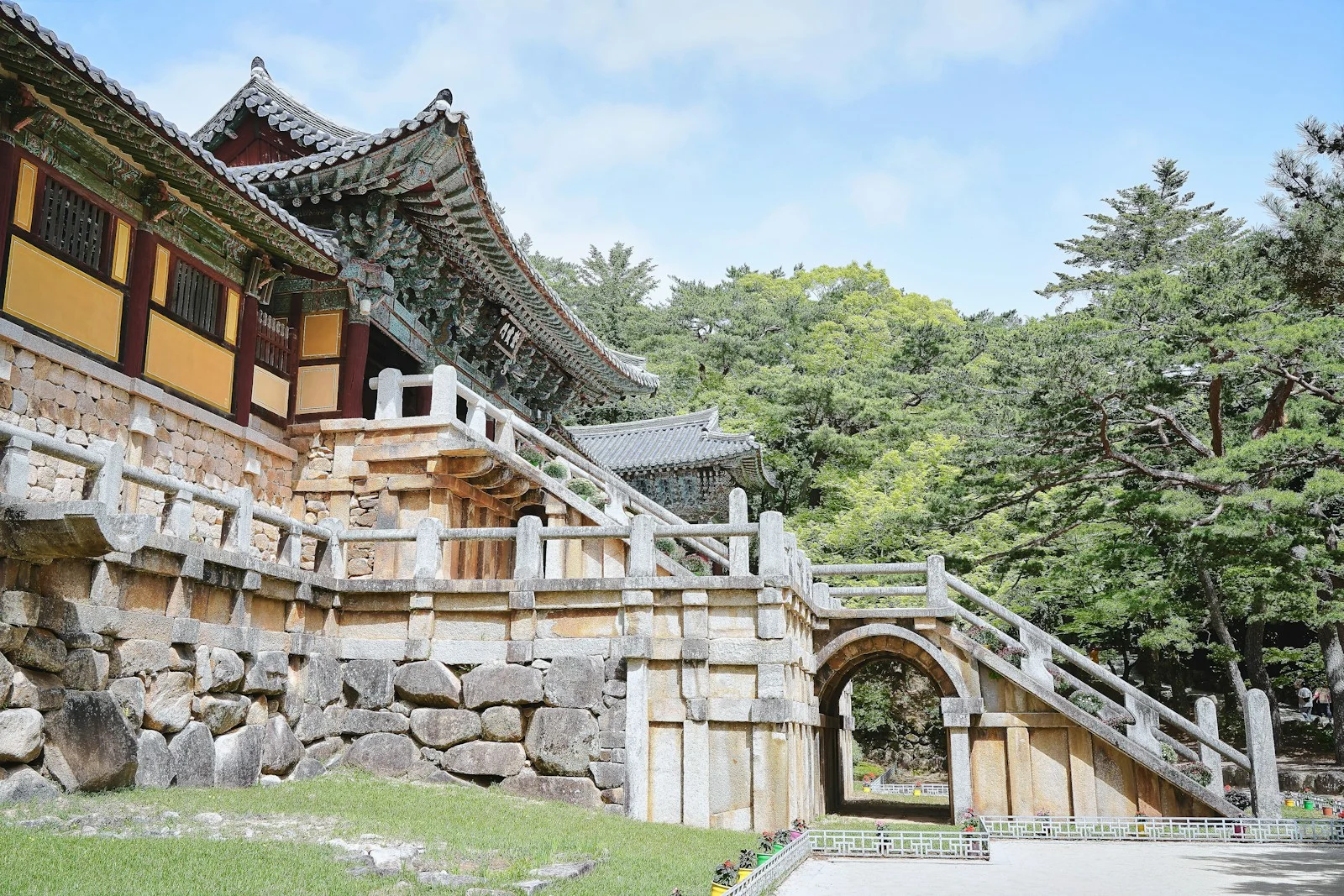
Begun in 751 in the old Silla capital. Its Dabotap pagoda is on the 10-won coin; UNESCO World Heritage since 1995.
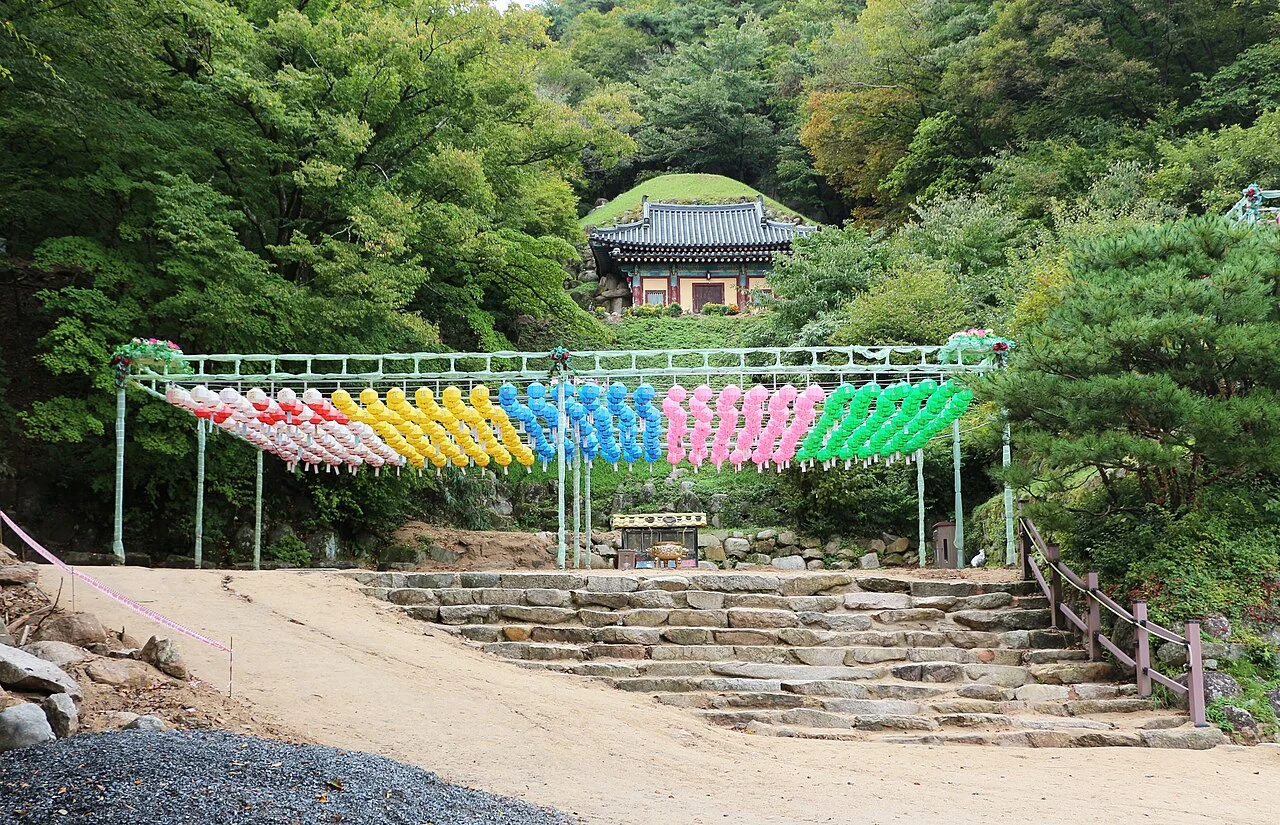
A man-made granite cave temple begun in 751, where a 3.5-meter Buddha overlooks the East Sea.
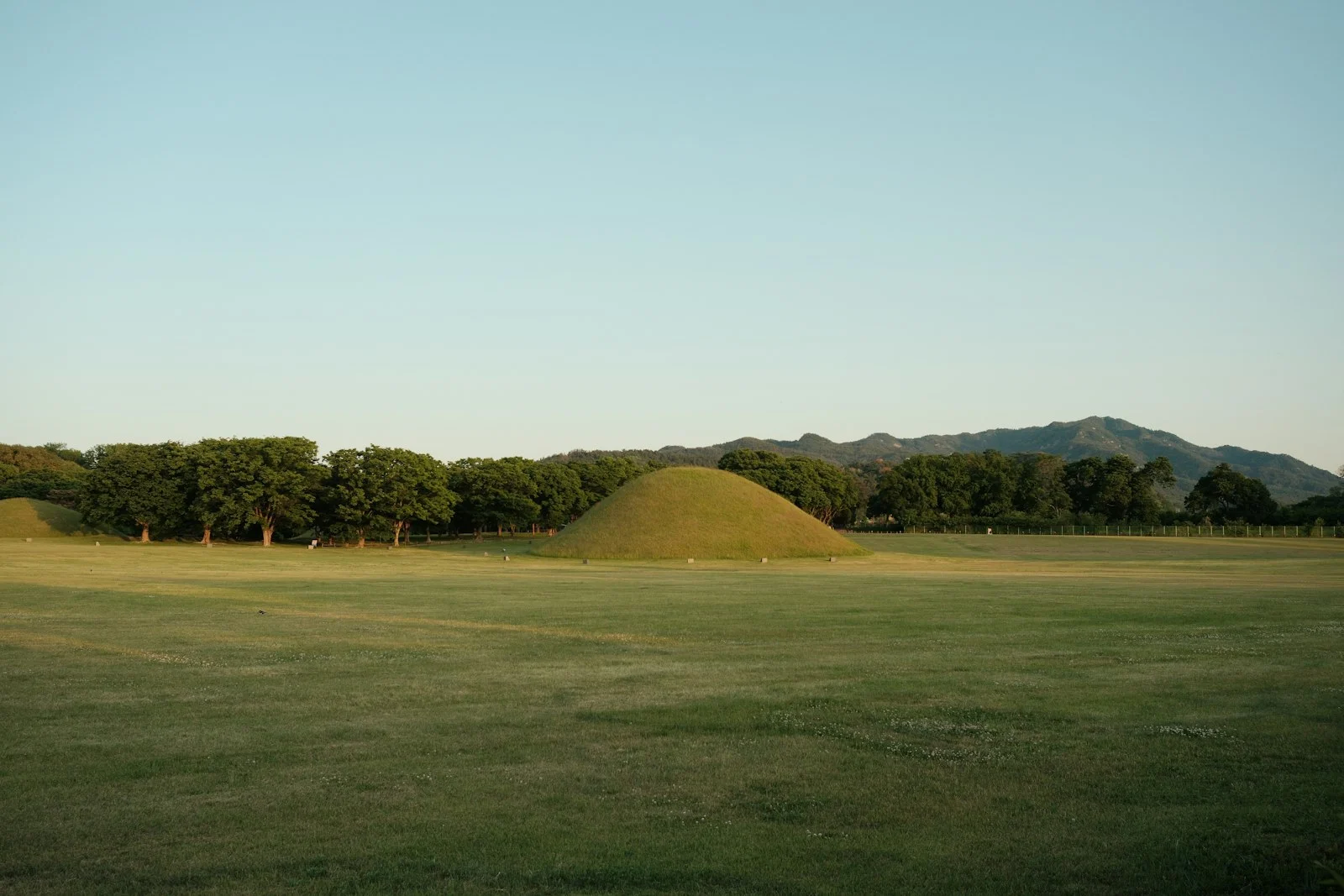
23 giant Silla tombs; one, opened in 1973, held a painting of a heavenly flying horse and 11,500+ artifacts.
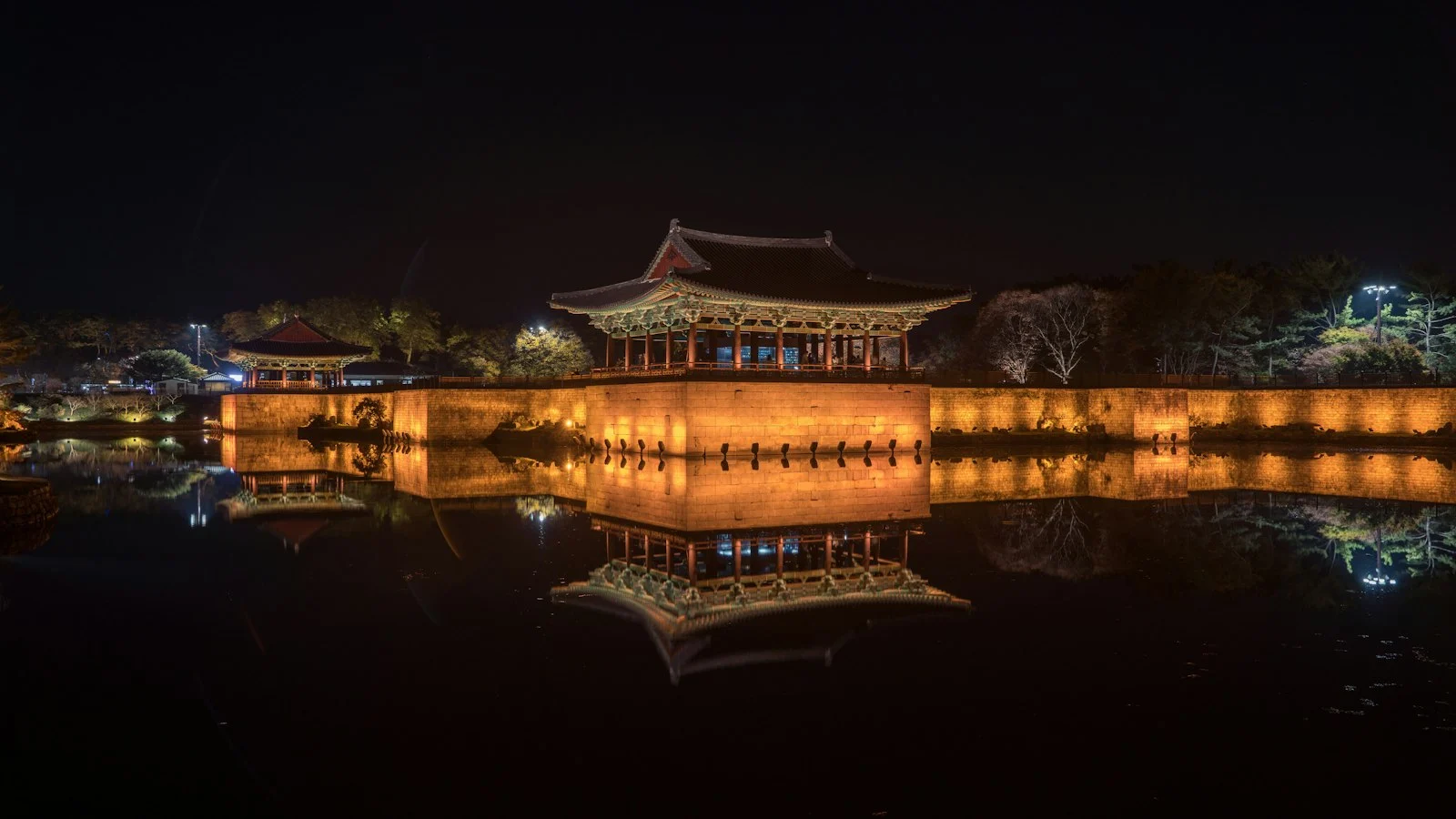
Dug in 674 by King Munmu; excavations found almost 33,000 relics, including a 14-sided drinking-game dice.
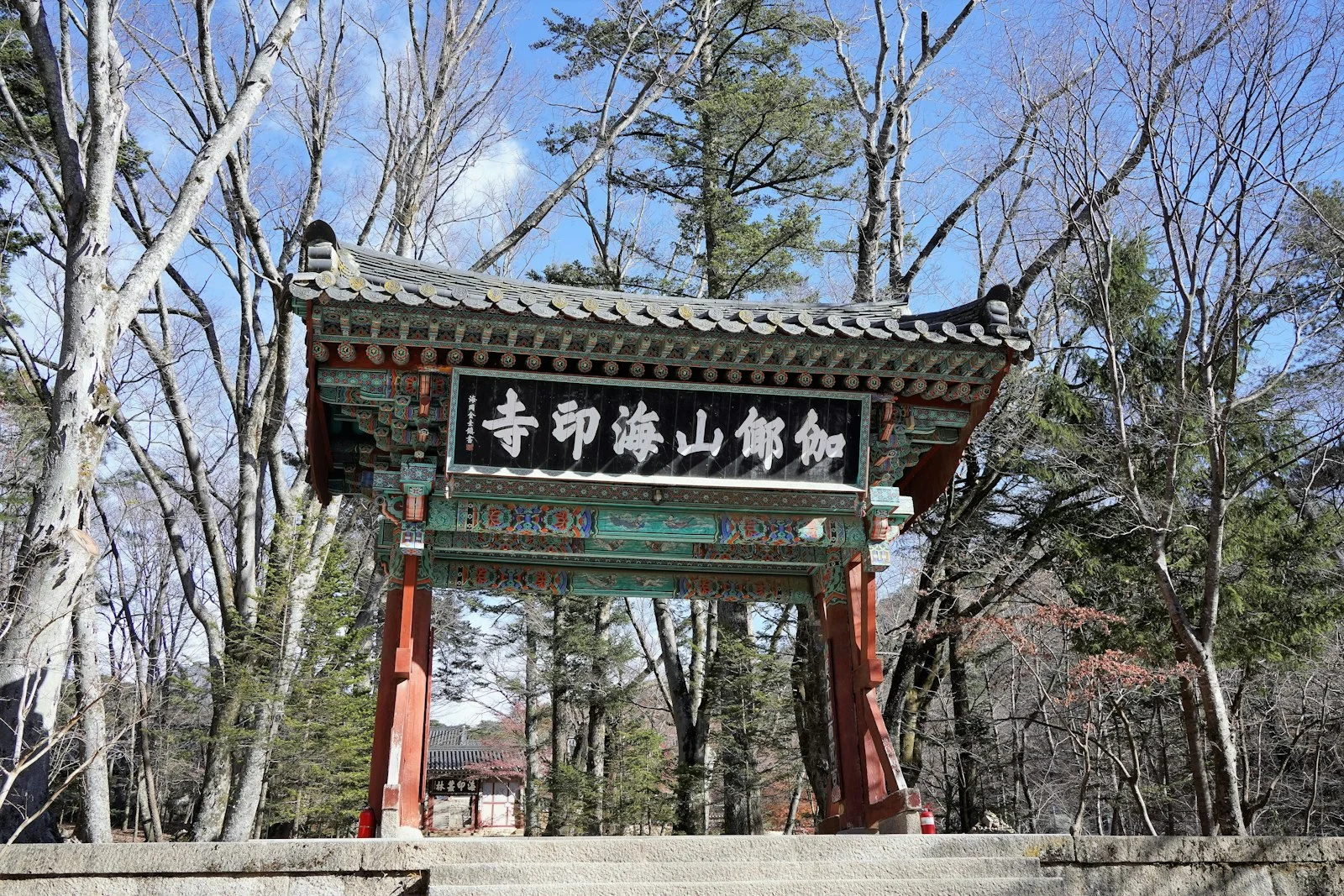
Home since 1398 of the Tripitaka Koreana, carved from 1237 to pray for protection against the Mongols.
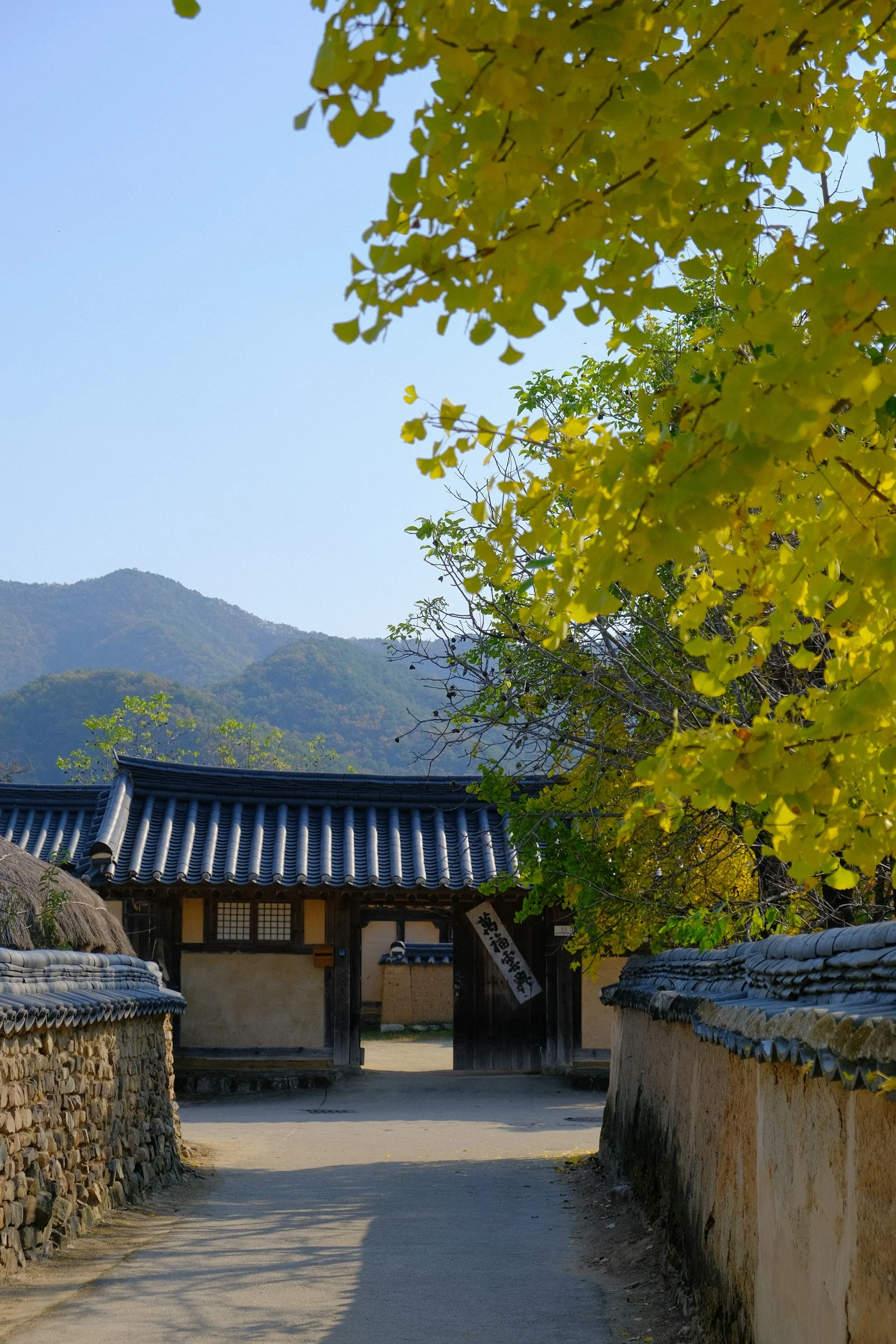
A one-clan village wrapped by a river bend; Queen Elizabeth II celebrated her 73rd birthday here in 1999.
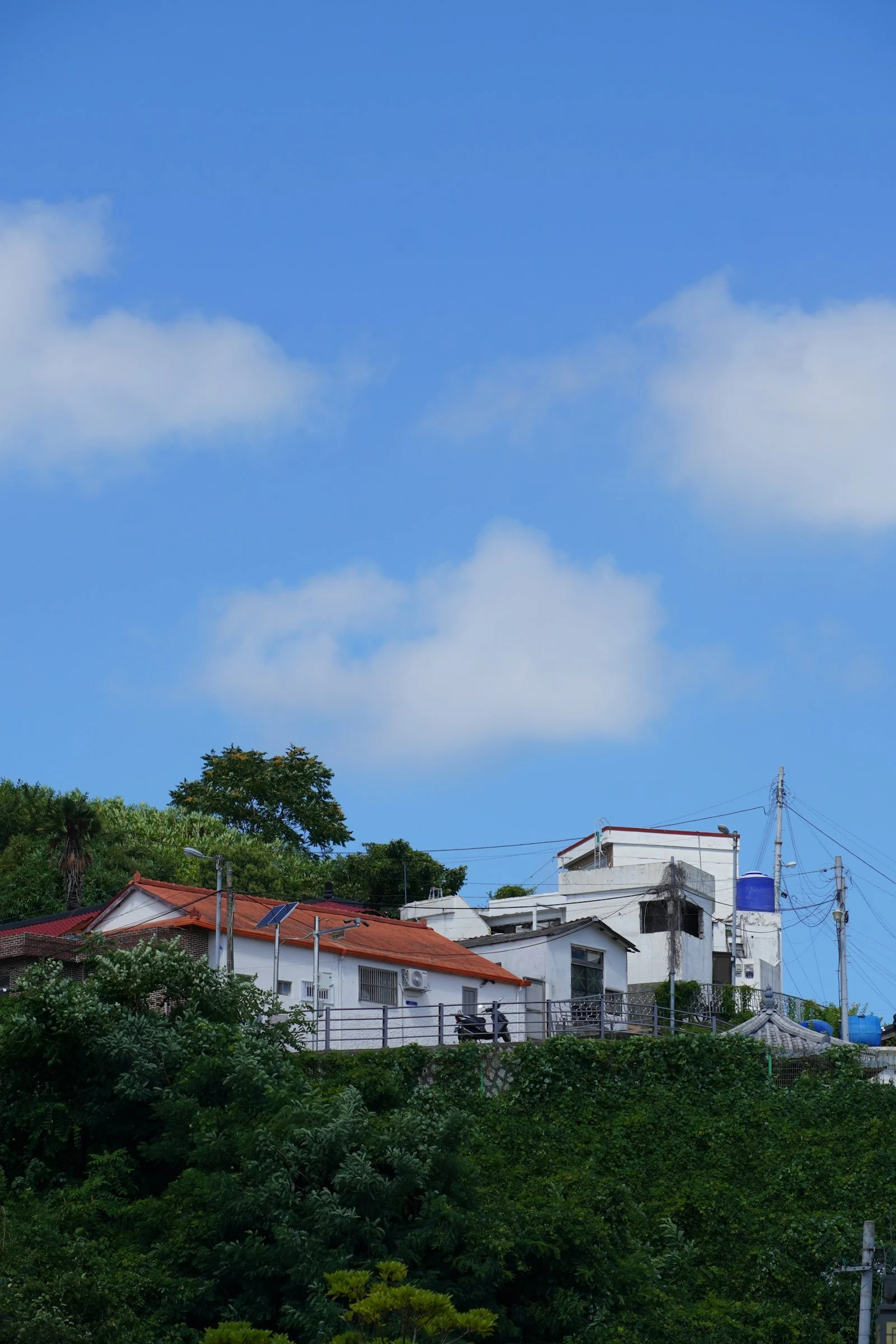
Near here in 1592, Admiral Yi Sun-sin's crane-wing formation crushed a Japanese fleet at Hansan Island.
Busan
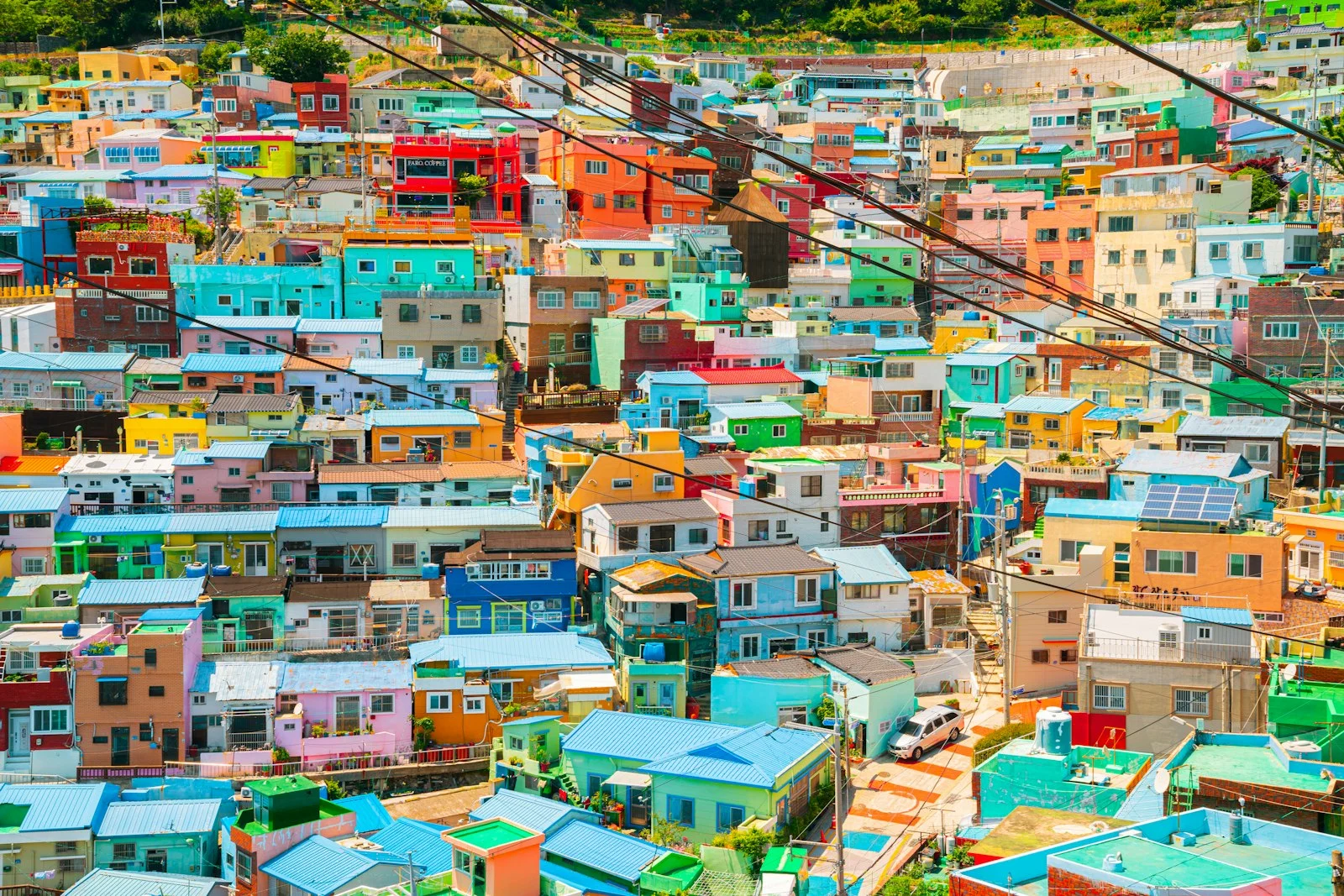
A Korean War shantytown of about 800 shacks, reborn through a 2009 art project as the 'Machu Picchu of Busan'.
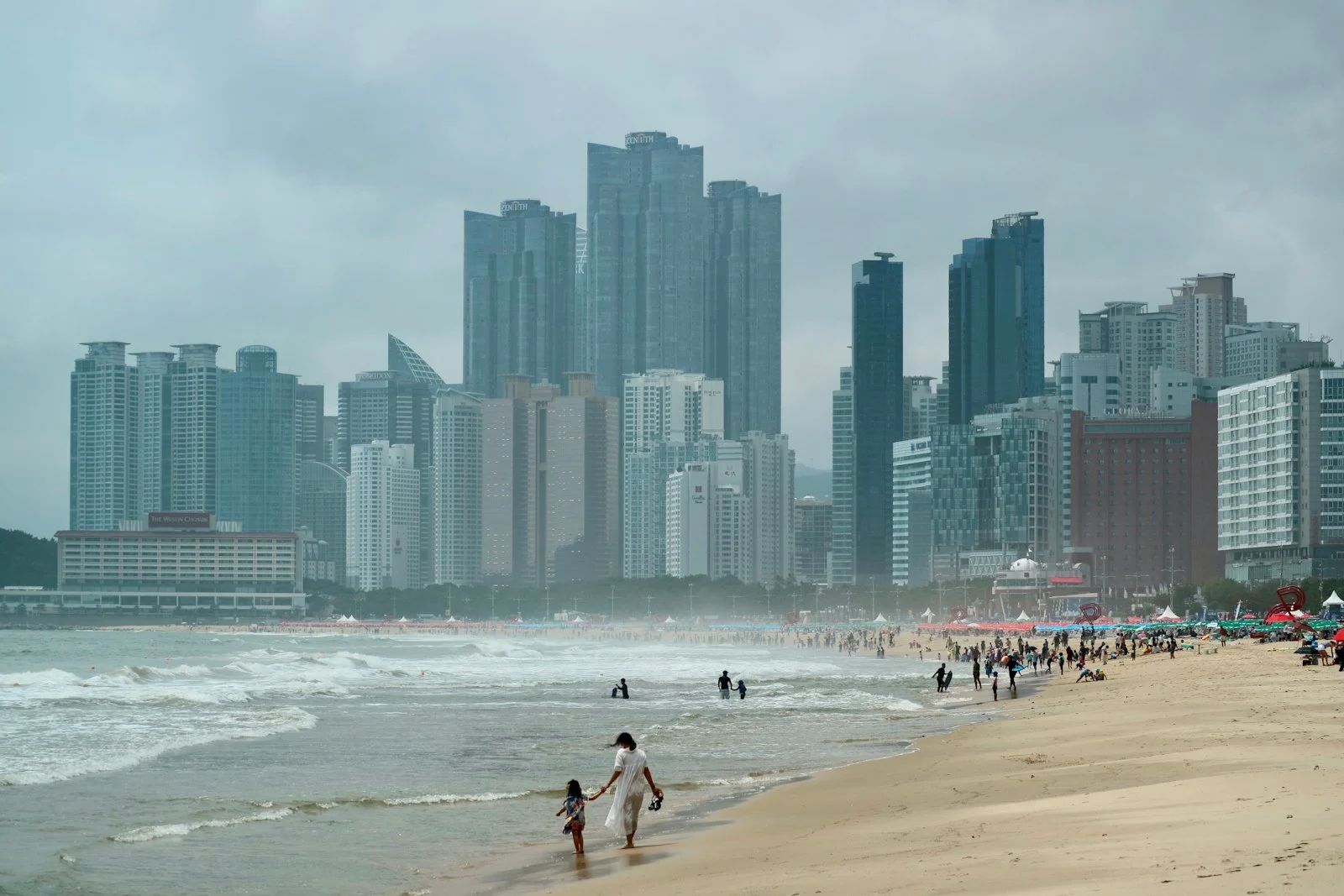
Korea's most famous beach takes its name from scholar Choe Chi-won's pen name Haeun, 'sea and clouds'.
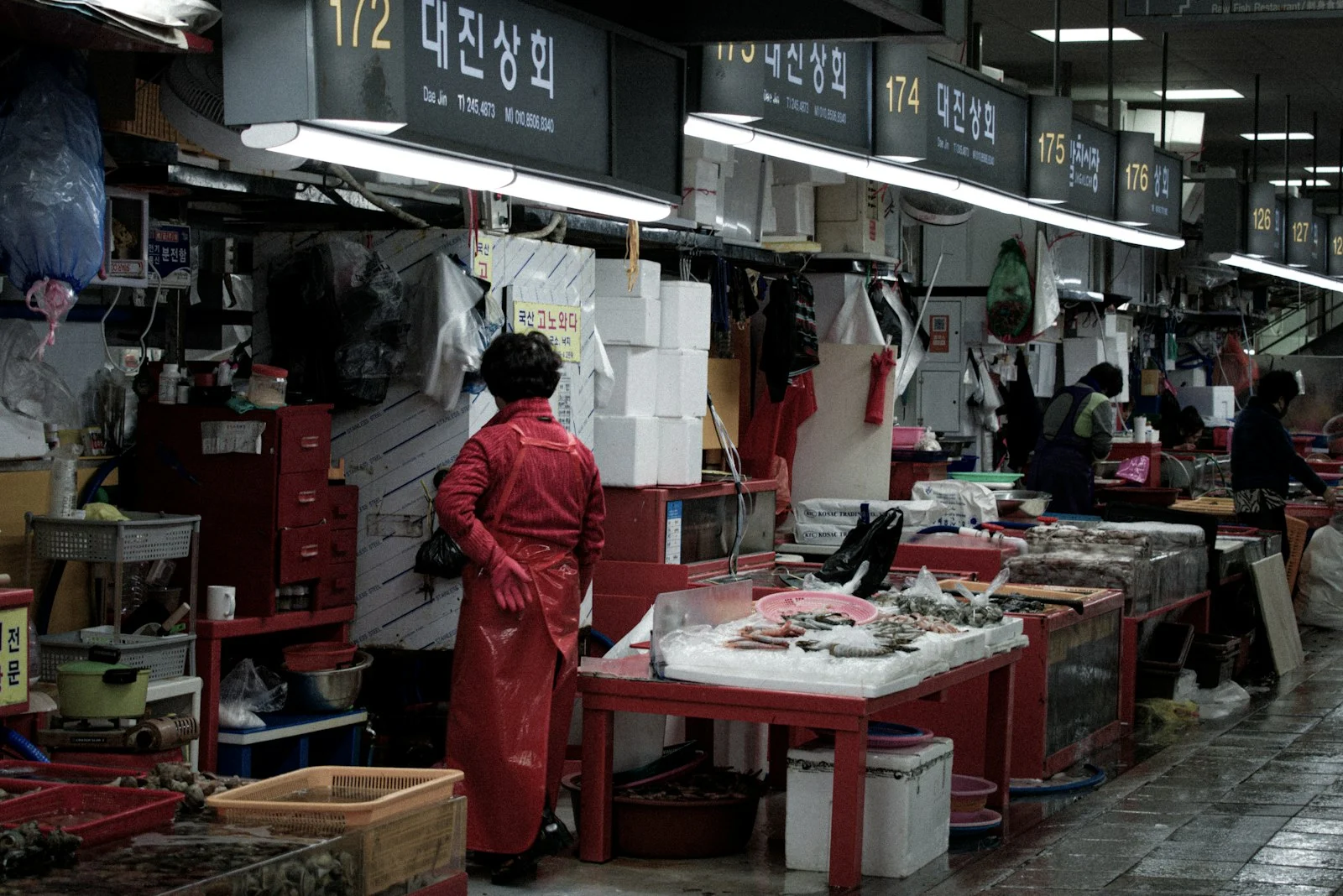
Often called Korea's biggest fish market, built on an old gravel beach and famous for its tough women vendors.
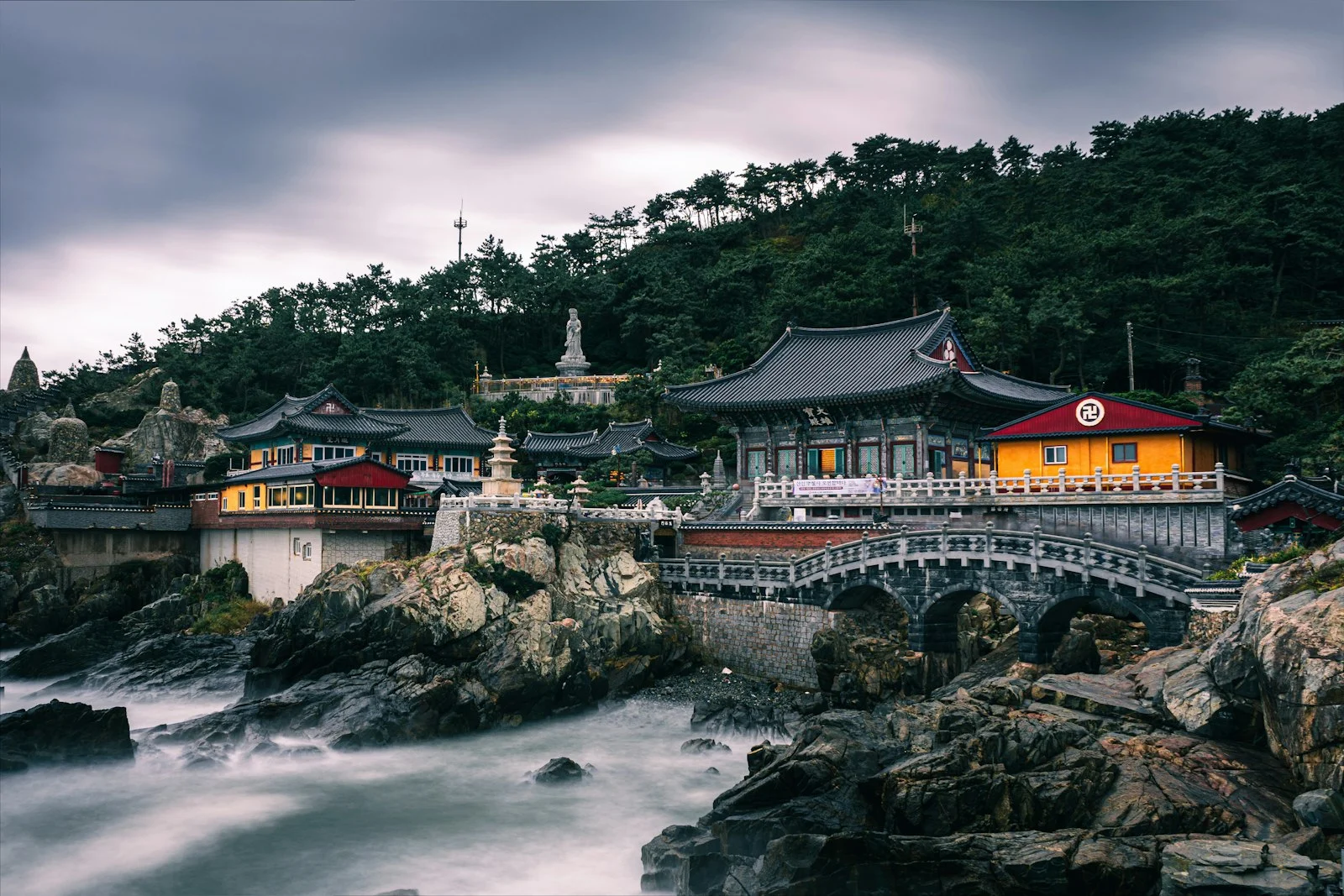
A rare seaside temple, said to date from 1376 and rebuilt in the 1930s as the 'Dragon Palace Temple'.
Jeolla
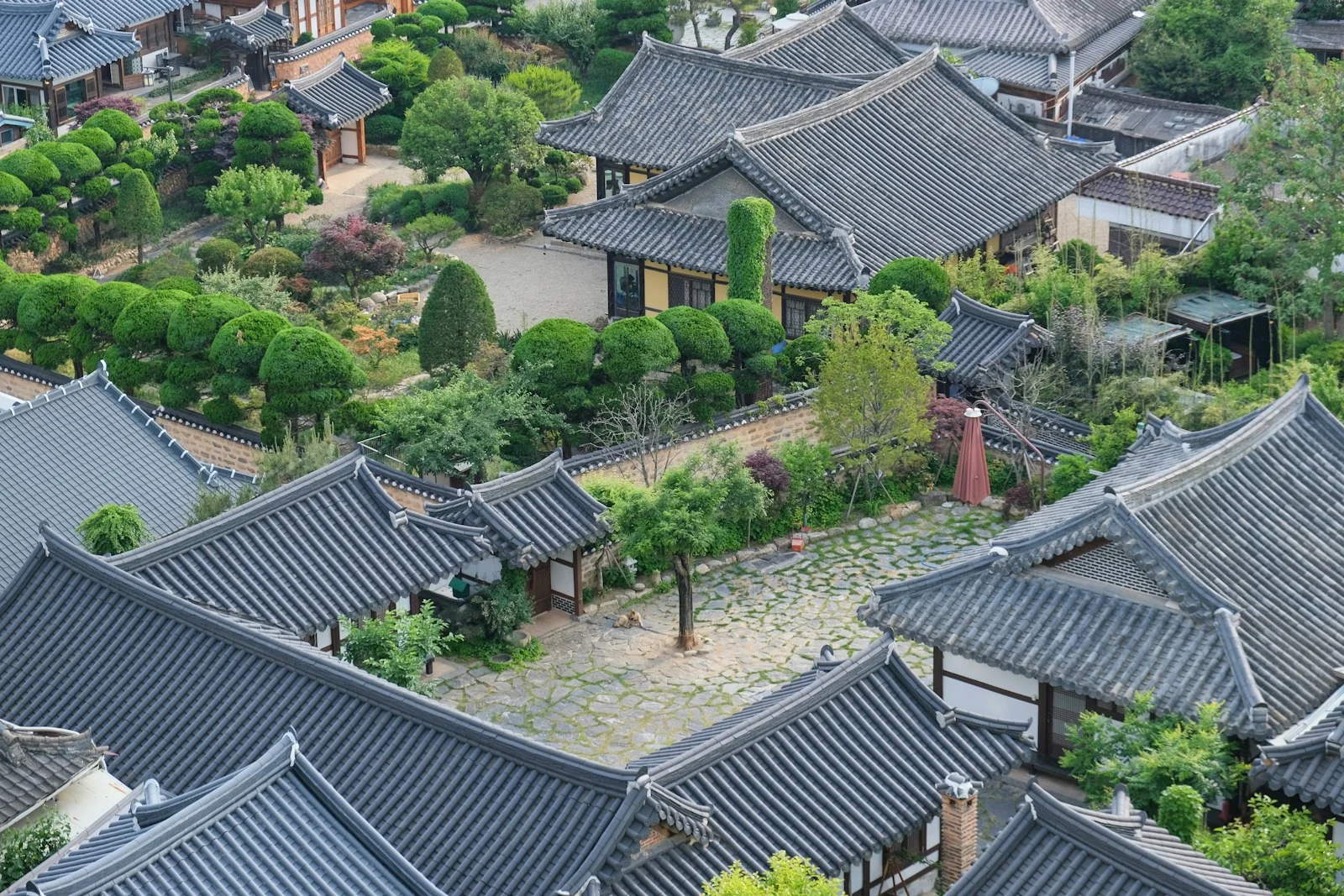
Over 800 hanok, King Taejo's portrait shrine from 1410, and the bibimbap capital of Korea.
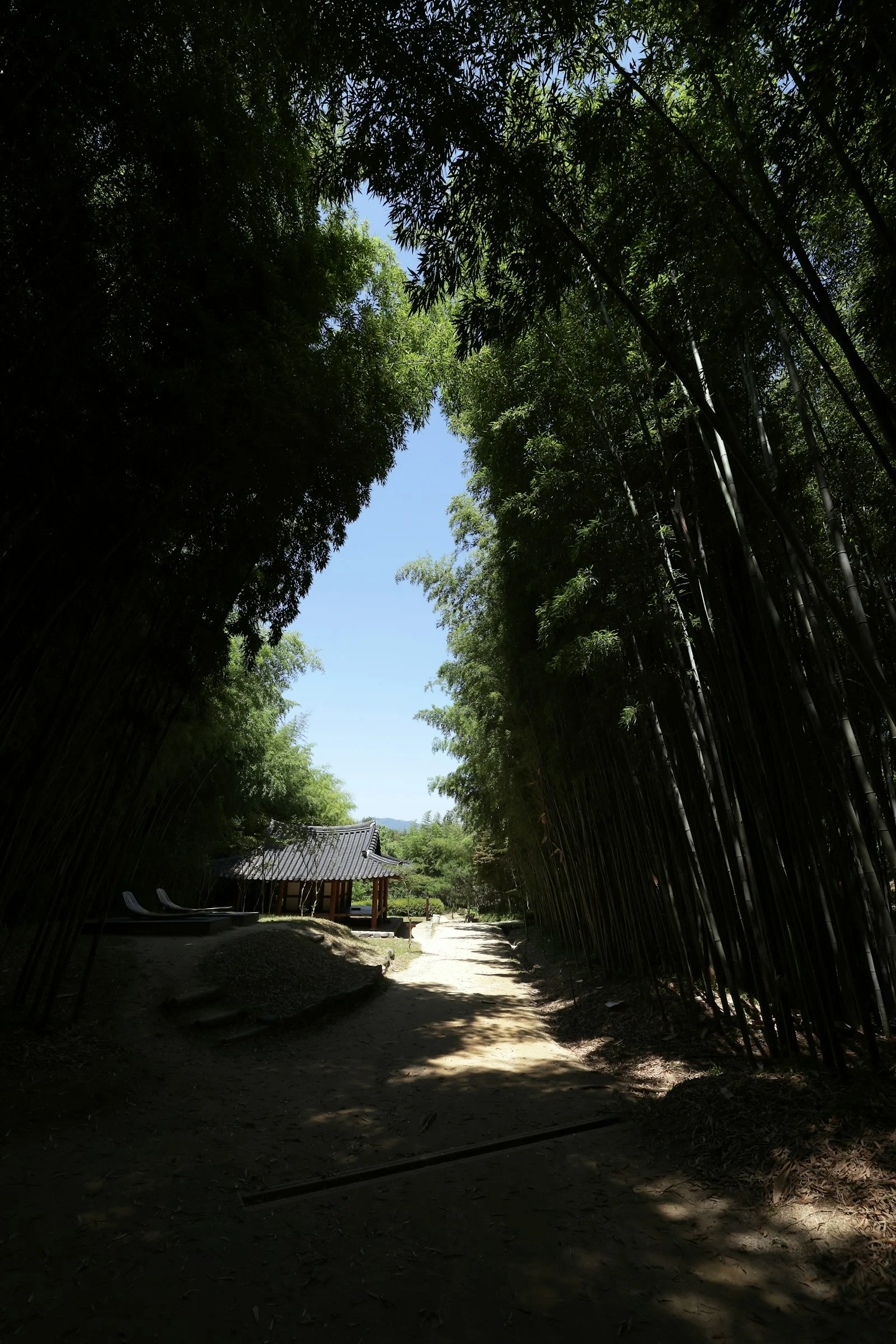
About 310,000 m² of bamboo with eight themed trails, in a county whose bamboo farming is FAO agricultural heritage.
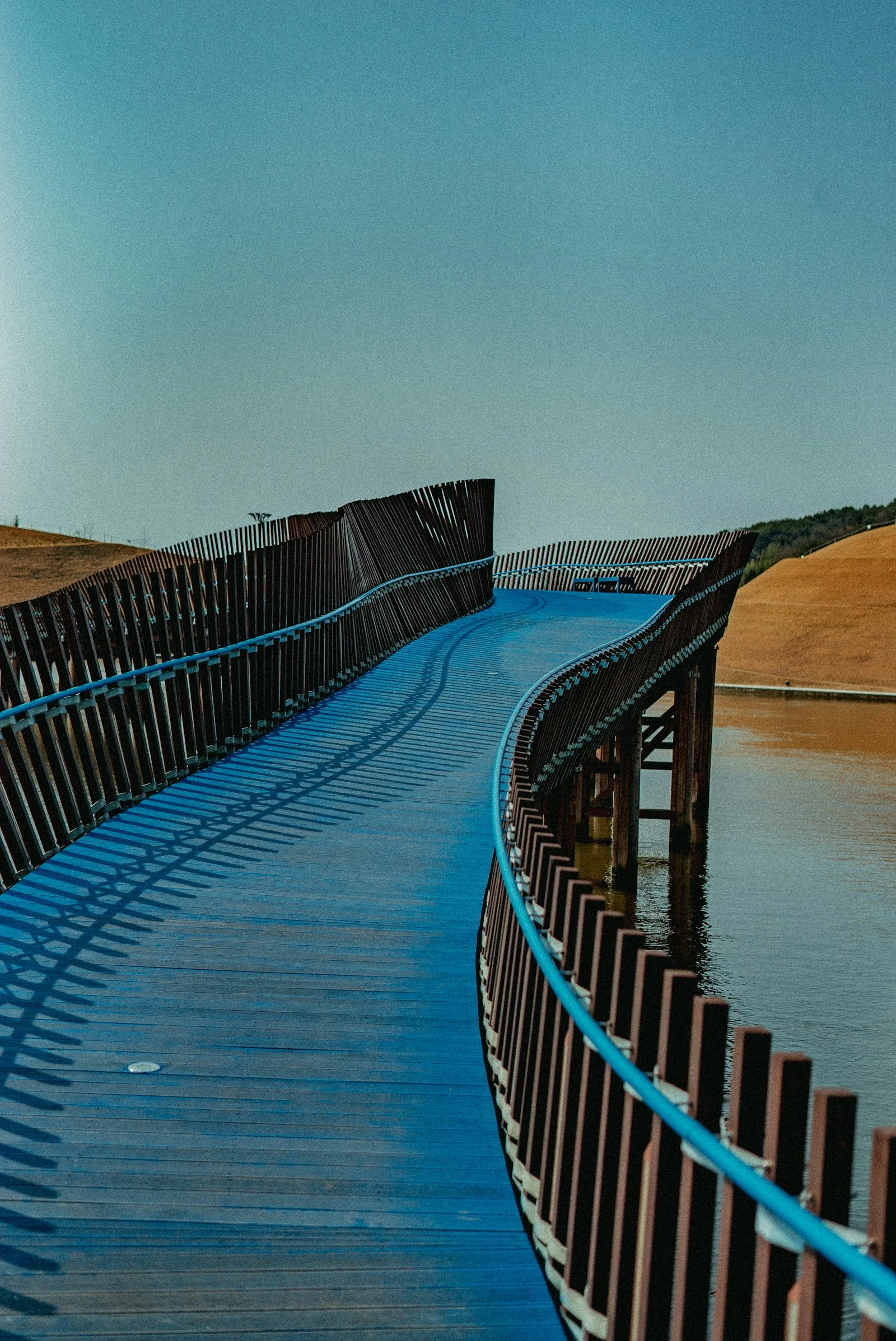
Korea's widest reed field, a Ramsar wetland since 2006, guarded by the country's first National Garden.
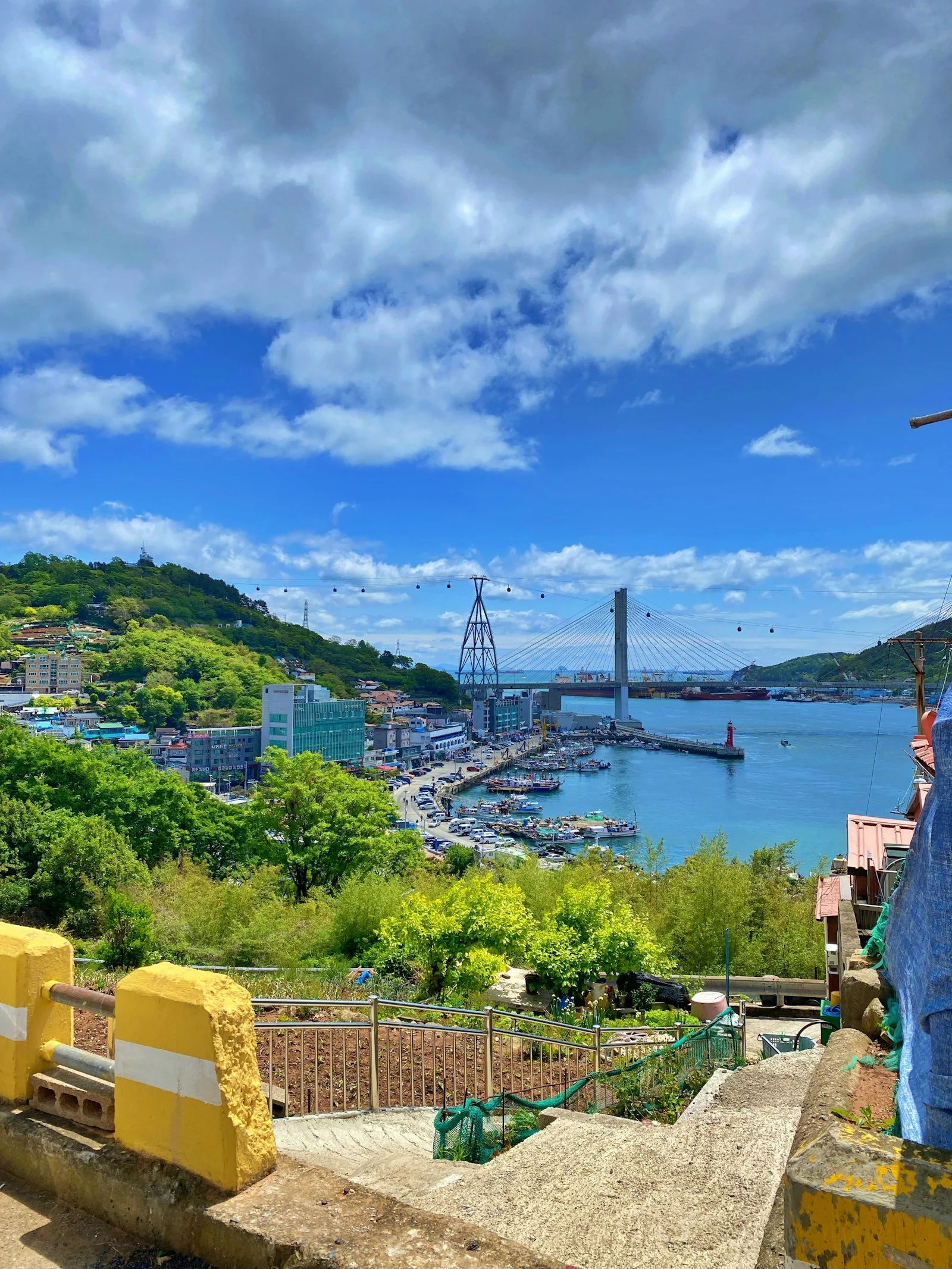
Busker Busker's 2012 hit made its night sea famous, the same year 8 million visits poured into Expo 2012.
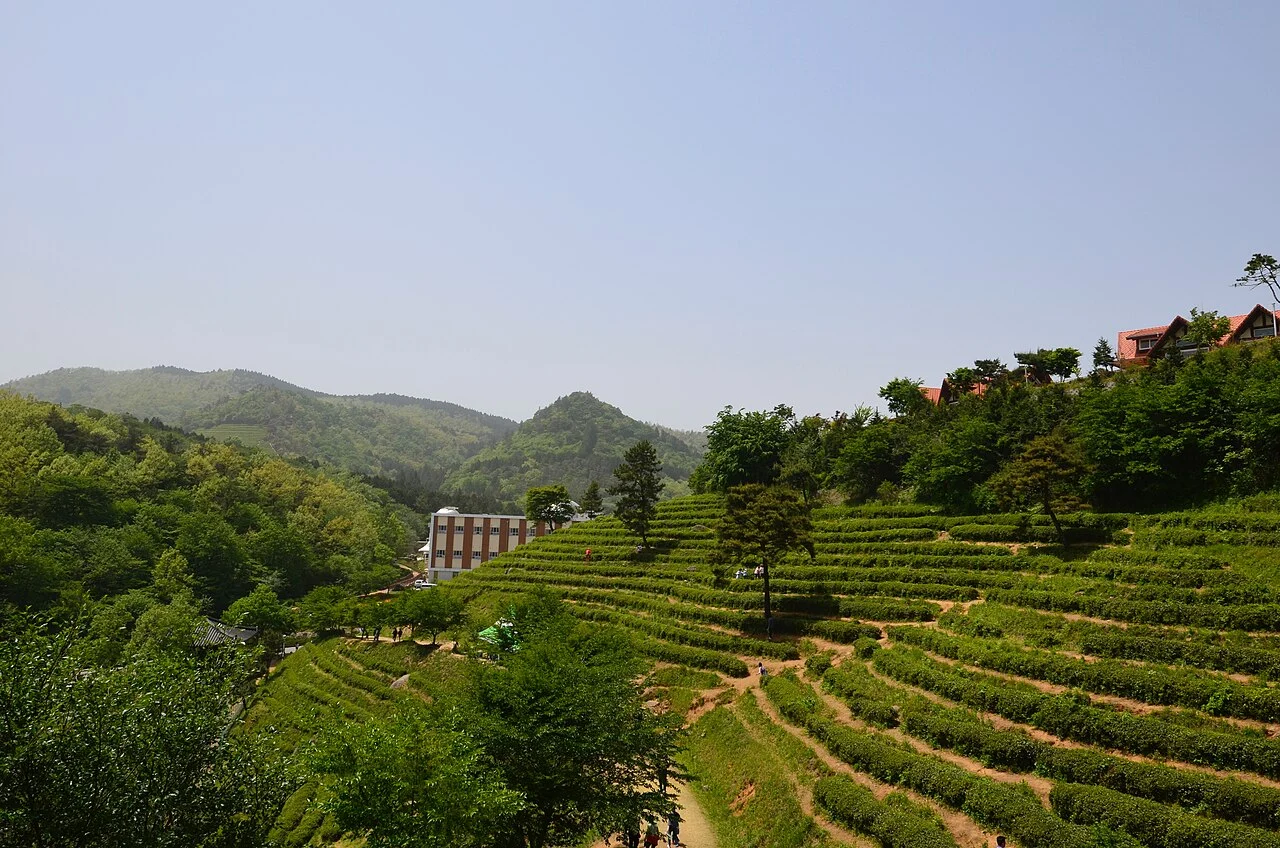
Korea's tea capital: about 40% of the nation's tea, and Daehan Dawon's roughly 5.8 million tea plants.
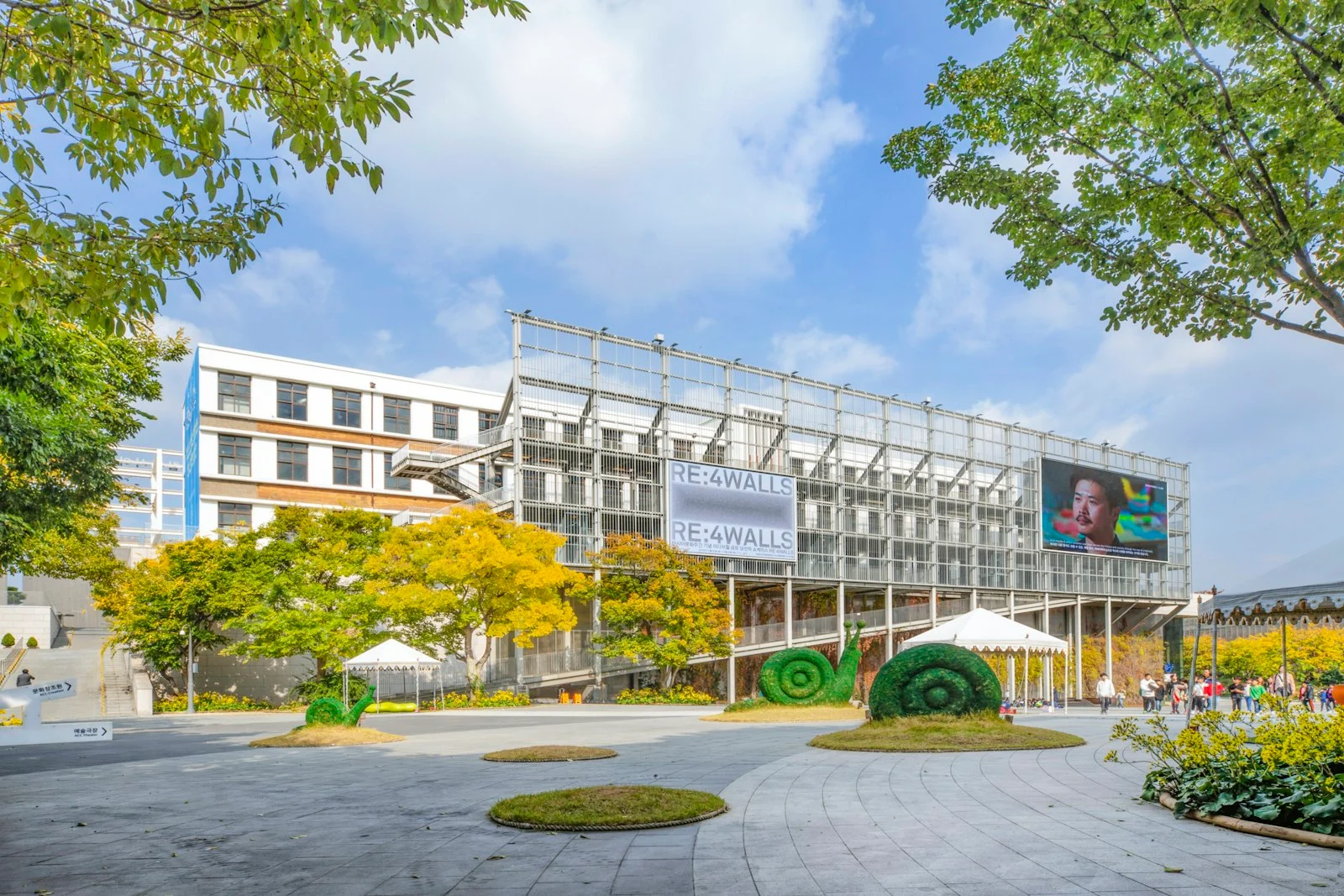
Resting place of more than 700 people linked to the 5.18 Democracy Movement; its records are in UNESCO's Memory of the World.
Jeju Island
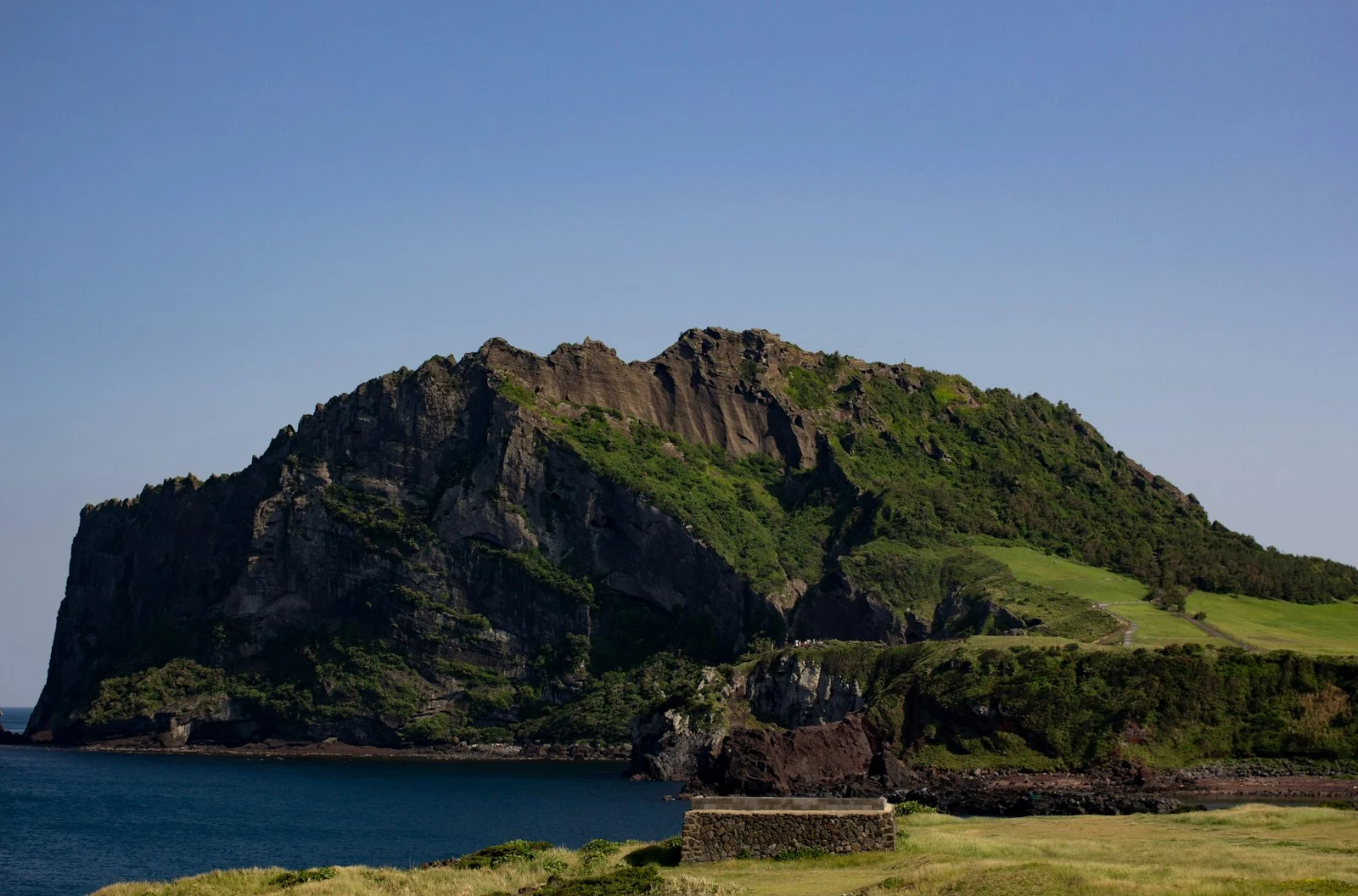
A 182 m tuff cone born from an underwater eruption, UNESCO World Natural Heritage since 2007.
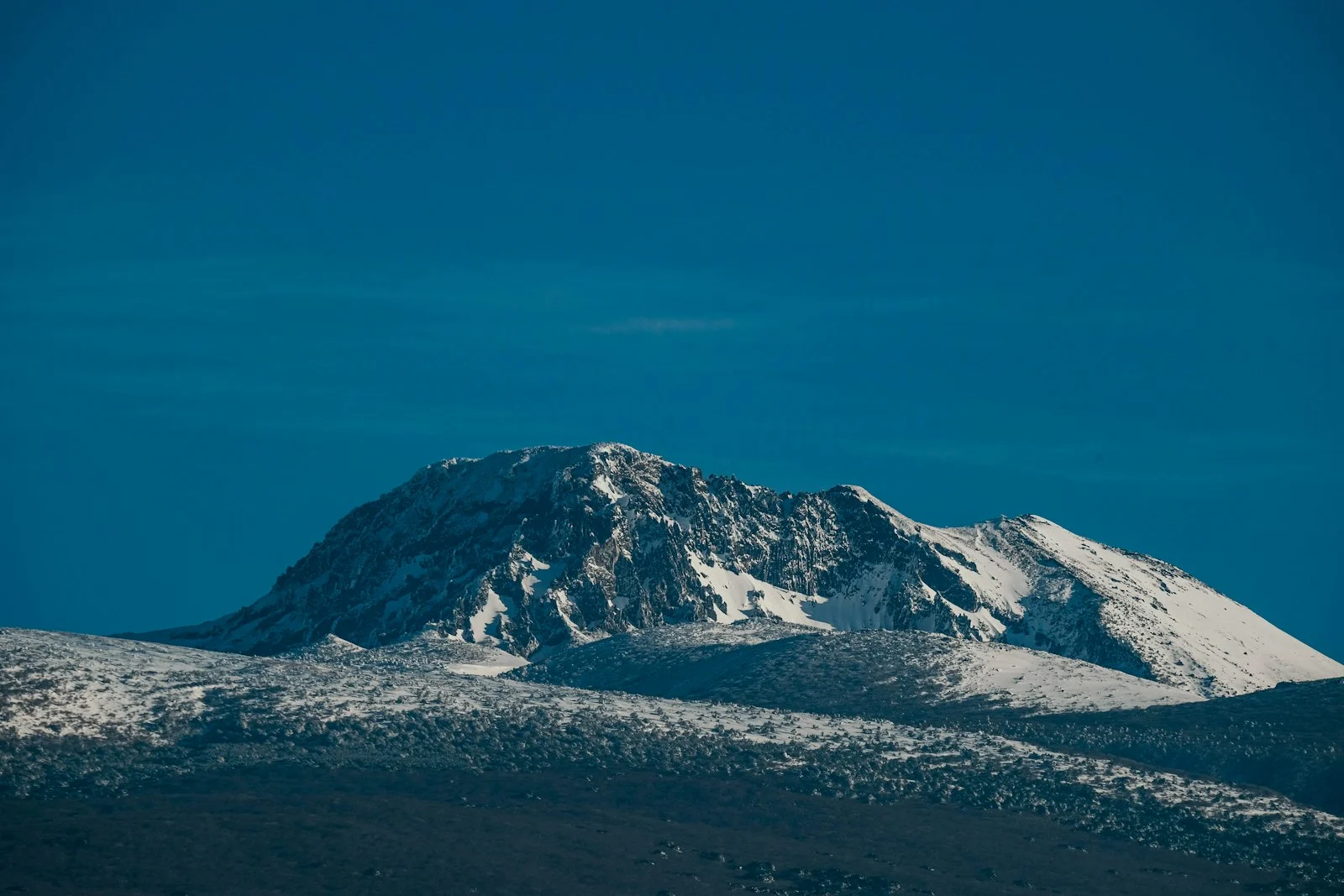
At 1,947 m, South Korea's highest peak, a shield volcano with the white-deer crater lake Baengnokdam.
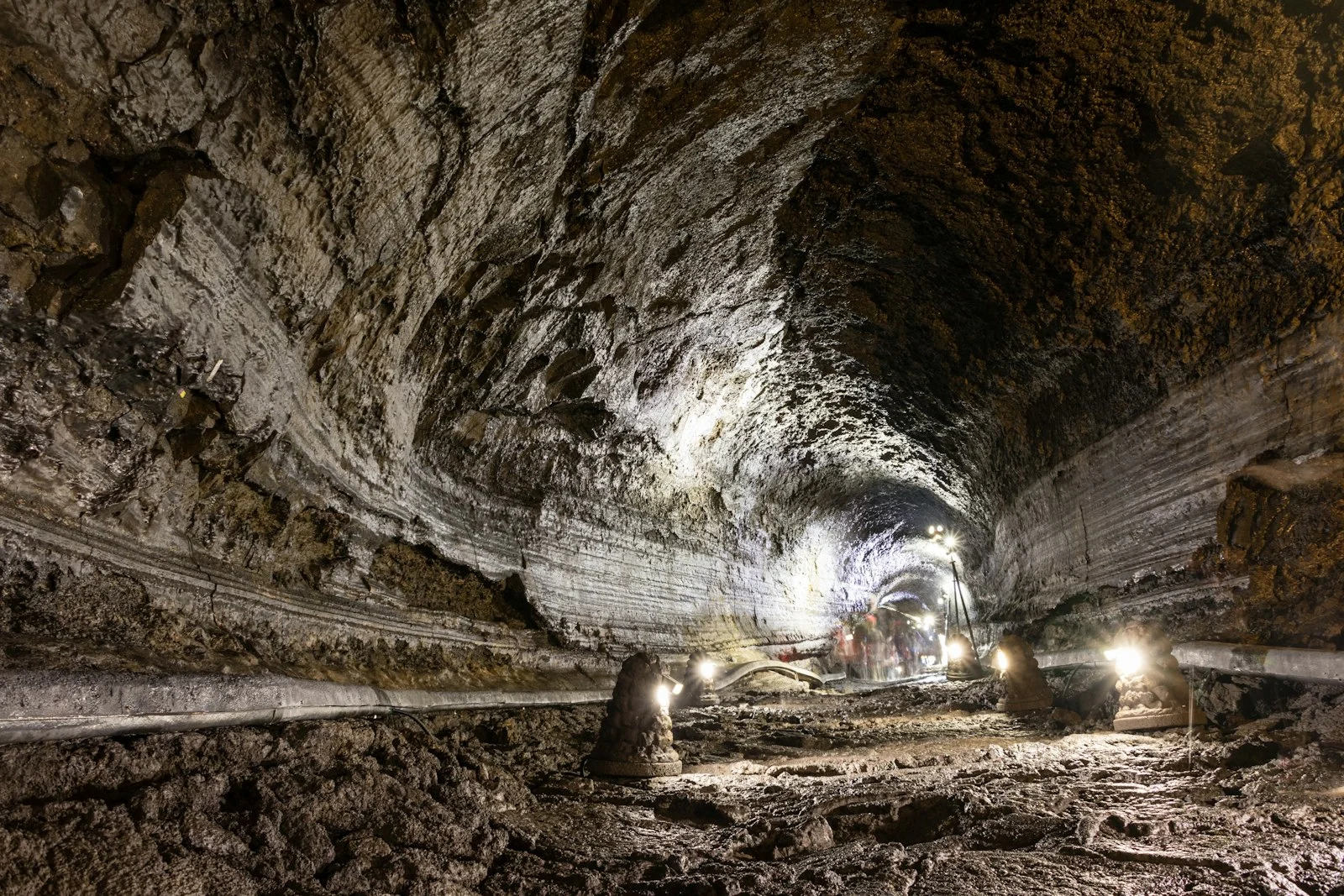
A lava tube nearly 9 km long, home to a 7.6 m lava column described as the largest known in the world.
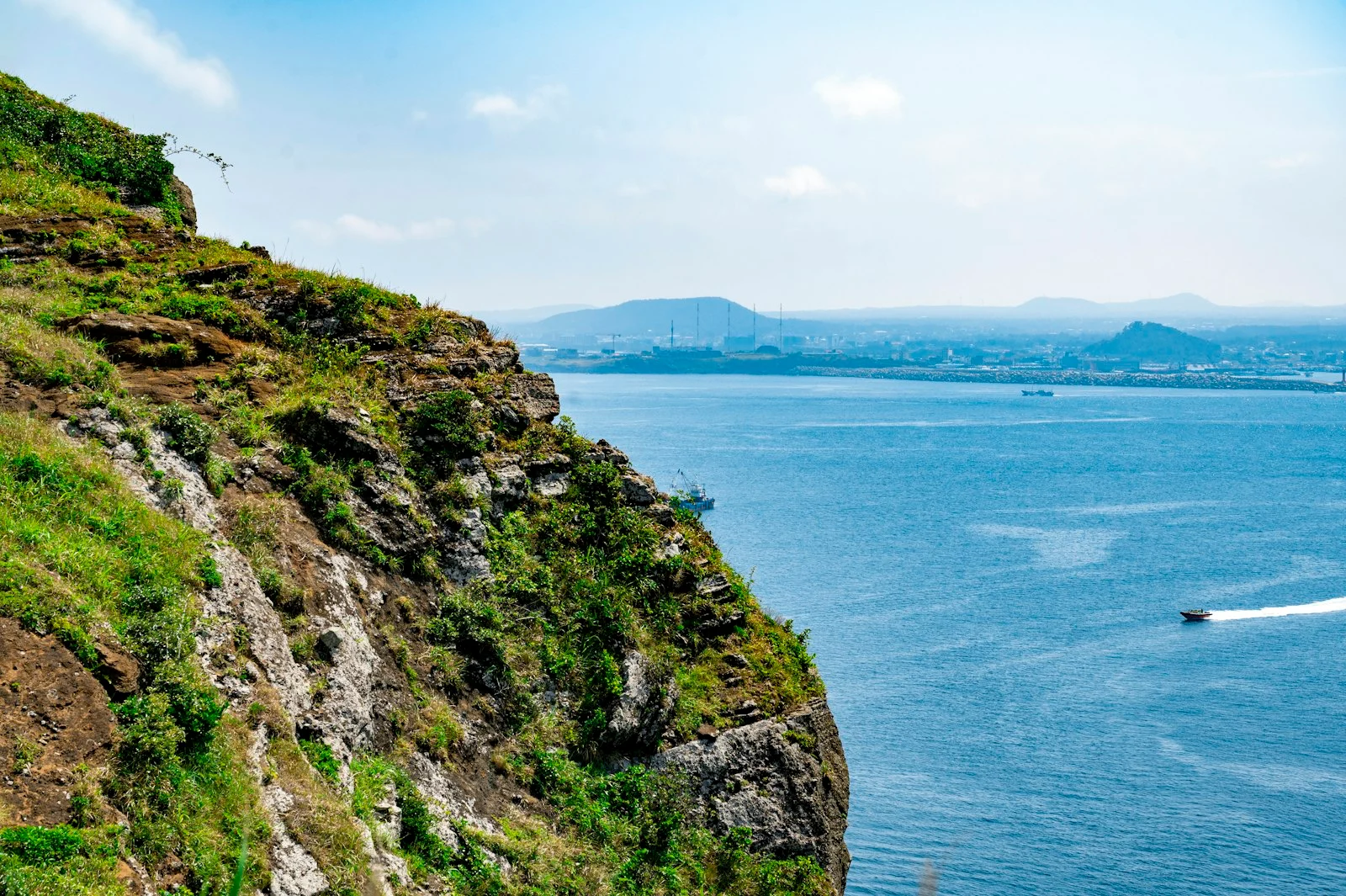
A 15-minute ferry from Seongsan, an island shaped like a lying cow and famous for its peanuts.
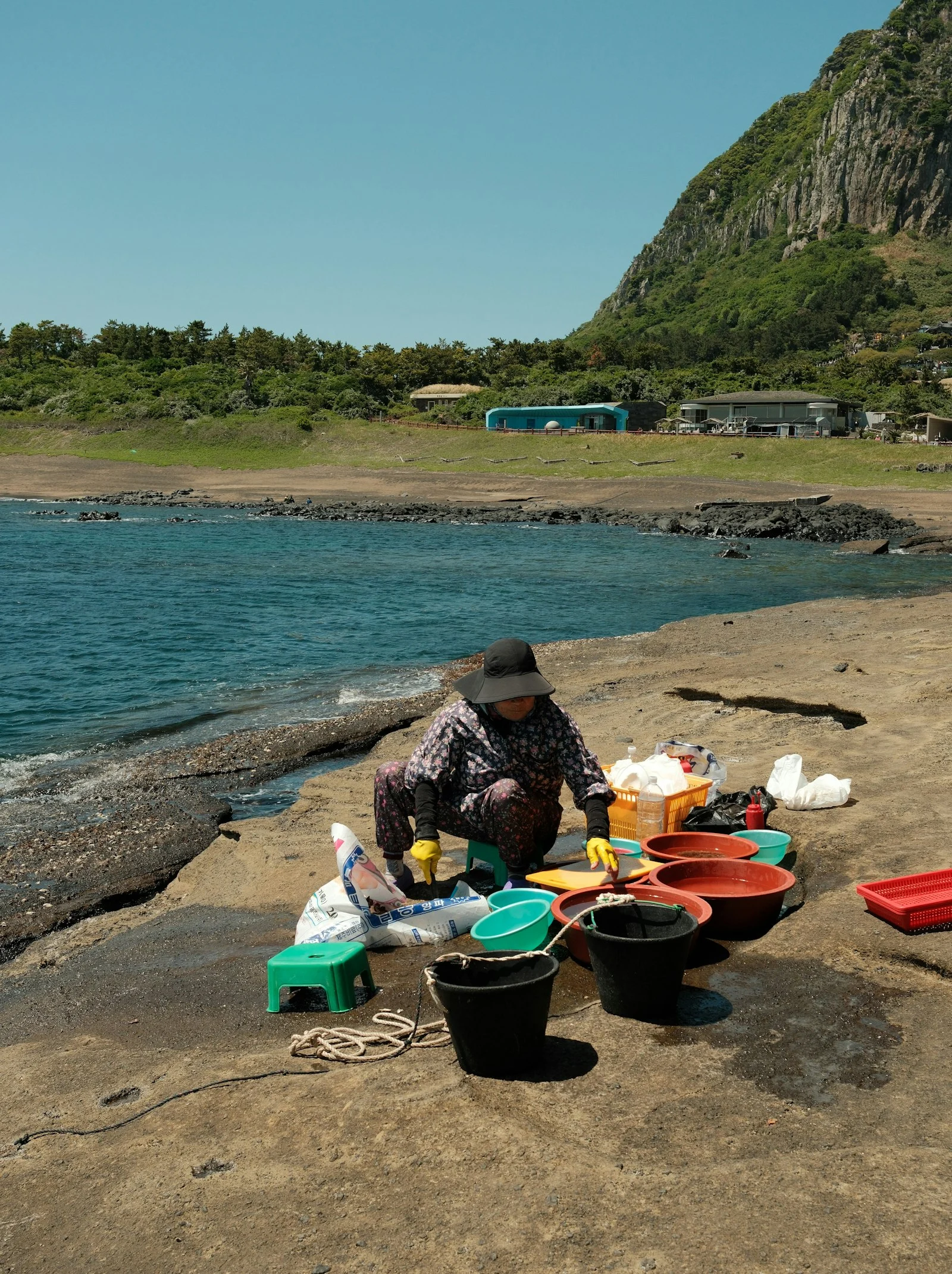
Free-diving without oxygen tanks, the Culture of Jeju Haenyeo joined UNESCO's Intangible Cultural Heritage list in 2016.
Photos: Unsplash; Gwangmyeong Cave photo by LandAndTree, CC BY 4.0, via Wikimedia Commons · Audio guides narrated by YUL