
🎧 Yul's Korea Audio Guide
Wearing Hanbok in Seoul

Narrated in English with Korean phrases by YUL of KVIBE IDOLS.
🎵 Background music: Letter on the Wind (바람의 편지) — KVIBE IDOLS · Listen to the full song →
Full transcript
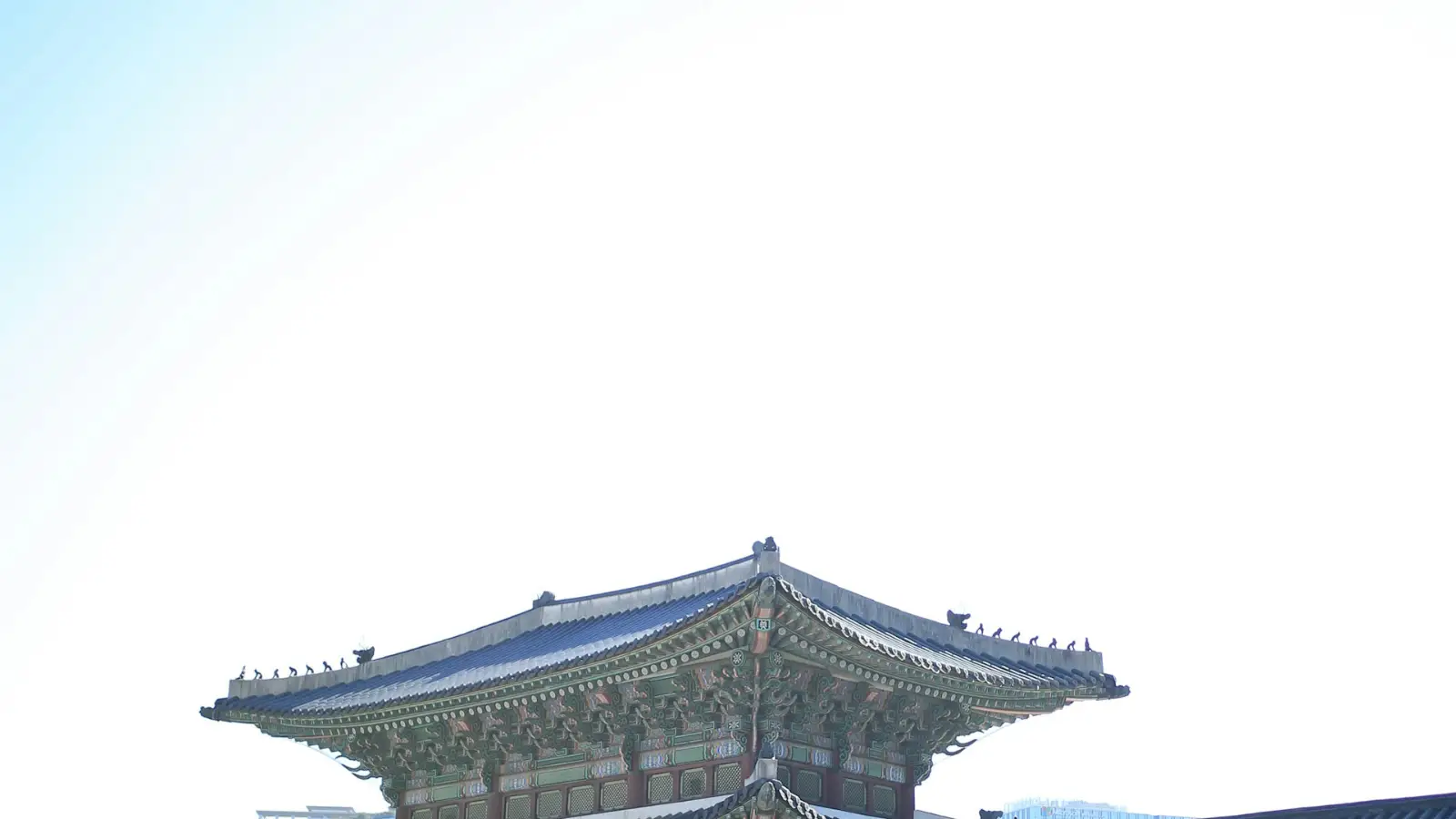
Annyeong, yeoreobun! It's Yul! Look around Gyeongbokgung. See all those people in flowing skirts and bright jackets? Are they time travelers? Nope. They're wearing hanbok, and today I'll tell you why so many palace visitors look like they walked out of a K-drama.
Hanbok is old. Really old. In Goguryeo tomb murals, painted between the fourth and sixth centuries, you can already see the basic design: long jackets, trousers, a sash, and women wearing skirts over trousers. The jacket is called jeogori, the skirt is chima, the trousers are baji, and those long ribbons tied on the chest? Goreum.
Here's a fun twist. For most of history, nobody called it hanbok. It was just... clothes! The word hanbok appears in the late Joseon period, in the 1800s, to tell Korean clothing apart from Japanese and Western styles. And as Western suits took over daily life, hanbok became something mostly for weddings and holidays.
So how did it come back? In 2013, the palaces began letting visitors in for free if they wore hanbok. Rental shops popped up around Gyeongbokgung and Bukchon, and suddenly young people and tourists were wearing hanbok just for fun. Daebak!
Yul's tip! For free palace entry, you need a full outfit: a jeogori top plus a skirt or trousers, with the ribbons tied. Modern hanbok counts, but a hanbok jacket with jeans does not. Most shops rent by the hour, so plan your photo route first. And remember, Gyeongbokgung is closed on Tuesdays.
After all that walking, you need a hot bath and a snack. Kaja!
More Seoul audio guides
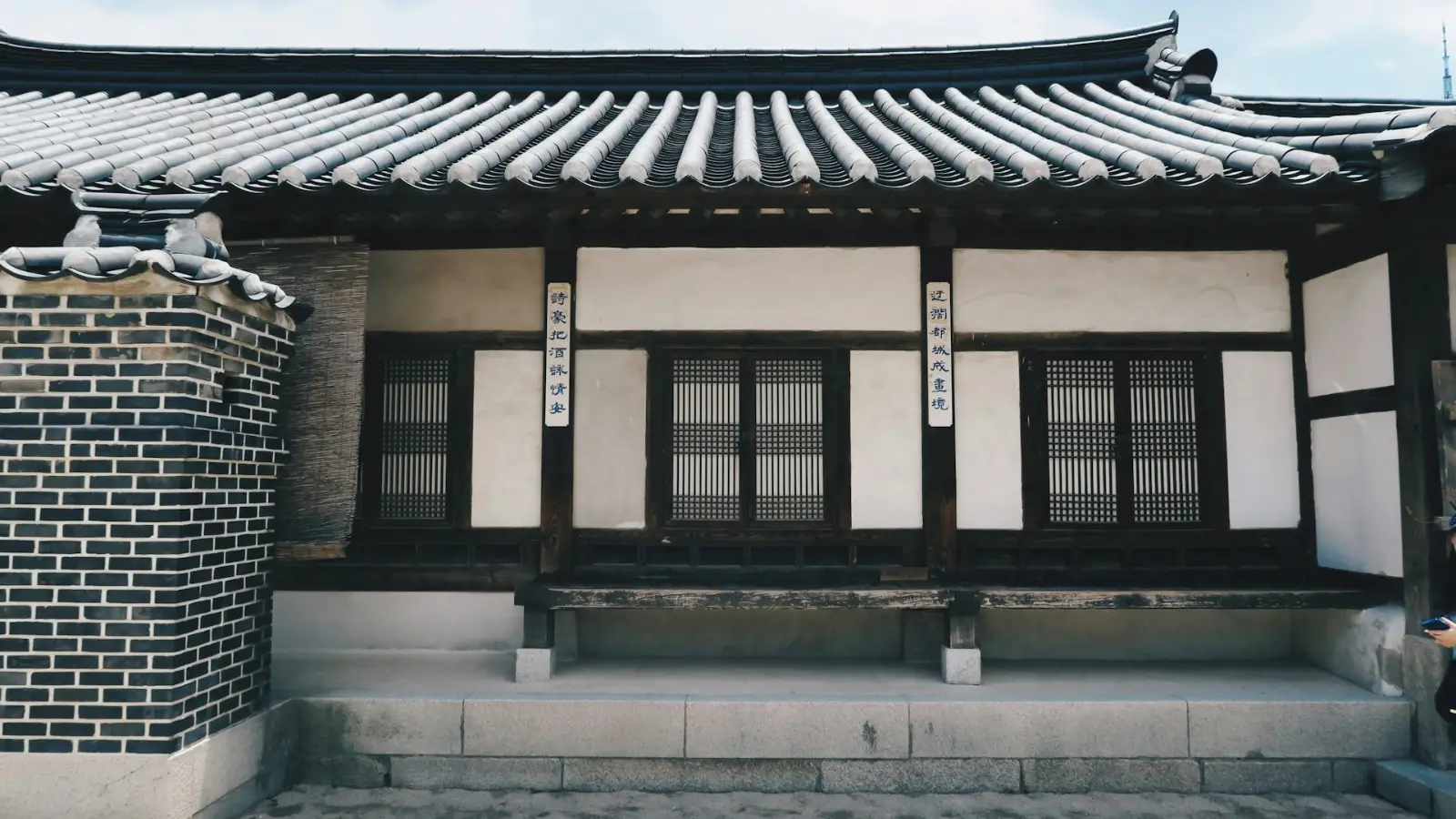
🚇 Getting there: Line 3 to Gyeongbokgung Station, Exit 5 leads to the palace; hanbok rental shops are on the streets around the palace and toward Anguk and Bukchon.
Photo: thuong uyen dinh, Unsplash