
🎧 Yul's Korea Audio Guide
Jjimjilbang: Korean Bathhouse

Narrated in English with Korean phrases by YUL of KVIBE IDOLS.
🎵 Background music: Letter on the Wind (바람의 편지) — KVIBE IDOLS · Listen to the full song →
Full transcript
Annyeong, yeoreobun! It's Yul. Tonight, we're going somewhere Koreans sweat, snack, sleep and gossip, all in matching T-shirts and shorts. Welcome to the jjimjilbang, the Korean bathhouse!
Jjimjil means heating your body, and bang means room. Sounds modern, right? Here's the twist: the idea is centuries old. The Annals of King Sejong, from the 1400s, mention hanjeungso, kiln saunas used for health. They were supported by the state and looked after by Buddhist monks. And from 1429, men and women got separate saunas. Very proper, Joseon!
Then, in the 1990s, jjimjilbang exploded in popularity. A typical one has hot tubs and showers, dome-shaped kiln saunas lined with jade, salt or minerals, heated floors, big TVs, snack bars, and even sleeping rooms. Some people stay the whole night!
Now, the jjimjilbang starter pack. Roll your towel into a cute little sheep head, called yangmeori. Grab a sweet rice drink called sikhye, and some baked eggs, maekbanseok gyeran. In K-dramas, friends crack these eggs on each other's foreheads. Please, only on friends. Daebak!
Yul's tip! In the gender-separated bath area, everyone is naked and nobody cares, so relax. Shower before getting into the tubs, tie up long hair, and keep your voice down. In the shared area, wear the clothes they give you. And keep your locker key with you, because it's scanned for snacks and extras when you check out.
Feeling relaxed? Good, because next, we sing until our voices break. Kaja!
More Seoul audio guides
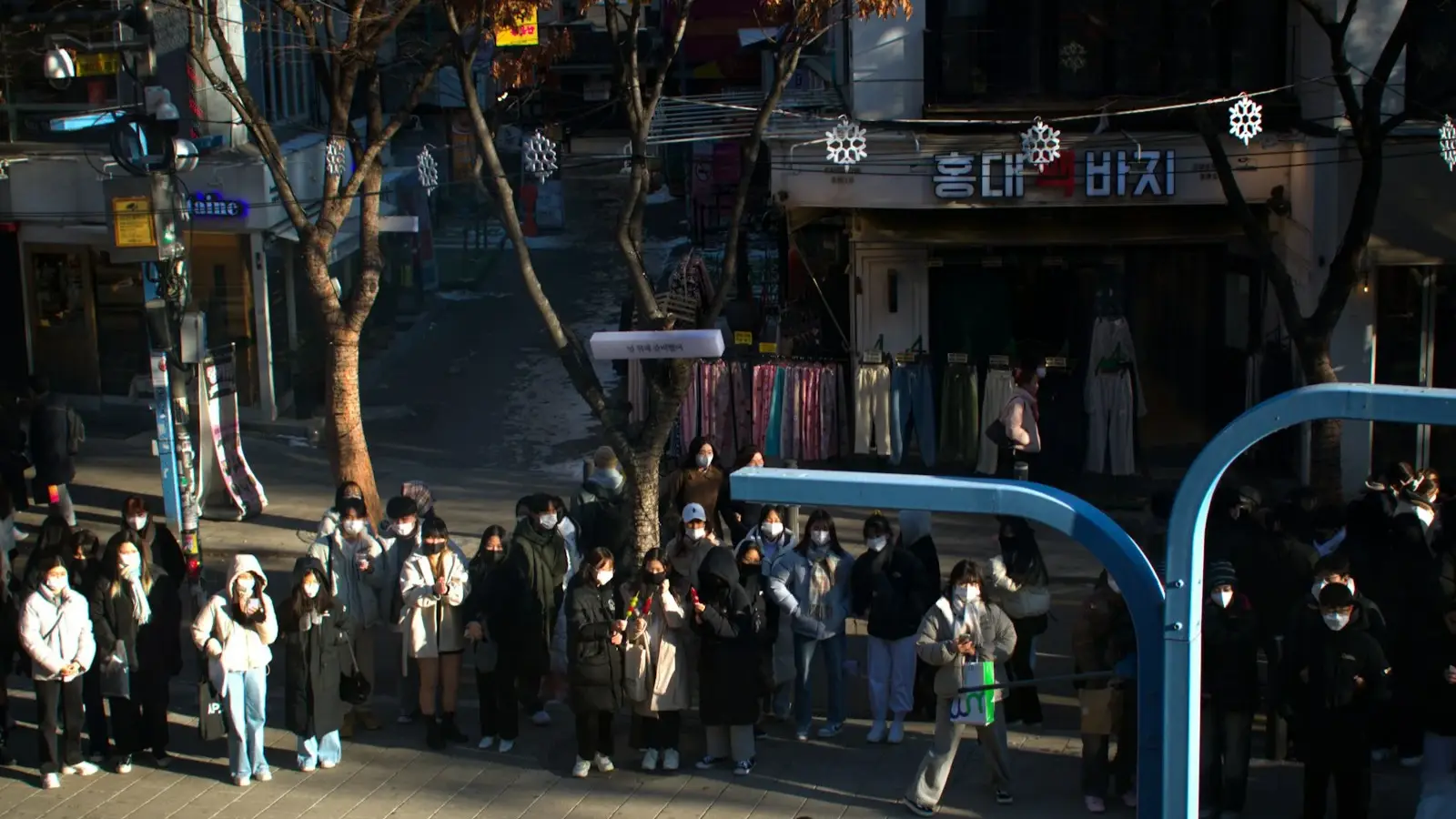
🚇 Getting there: Jjimjilbang are in every Seoul neighborhood; look for signs reading 찜질방 or 사우나, often near subway stations. Representative area: Hongik University Station (Line 2), Hongdae.
Photo: Choikwangmo9, CC0, via Wikimedia Commons